
The Canton Fair is the largest and most influential trade exhibition in China, attracting over 200,000 global buyers each session.
For experienced importers, it’s a powerful sourcing opportunity.
For first time Canton Fair visitors, however, it can quickly turn into:
- Endless walking with little result
- Confusion between traders and real factories
- Missed appointments with qualified suppliers
- Traffic delays and poor time management
- Verbal quotes that don’t match post-show offers
The truth is simple:
Attending the fair does not guarantee good suppliers.
Efficient planning and structured evaluation do.
Many buyers underestimate how complex the exhibition is — thousands of booths, multiple phases, overlapping product categories, and limited time. Without a clear strategy, sourcing efficiency drops dramatically.
This complete 2026 Canton Fair buyer guide shares 10 practical and actionable Canton Fair tips to help you:
- Visit the right phase
- Plan your hall route strategically
- Filter suppliers effectively
- Reduce risk in pricing and contracts
- Improve your post-fair follow-up process
If you’re wondering how to visit Canton Fair like a professional buyer — not just a visitor — this guide will help you maximize your sourcing ROI.
And if you prefer expert local support to verify factories, arrange inspections, and reduce risk after the fair, we’ll also show you how a local sourcing team can simplify the entire process.
Tip 1: Understand the Canton Fair Phases Before Booking
One of the most critical Canton Fair tips for first-time buyers is understanding the exhibition schedule before booking flights or hotels.
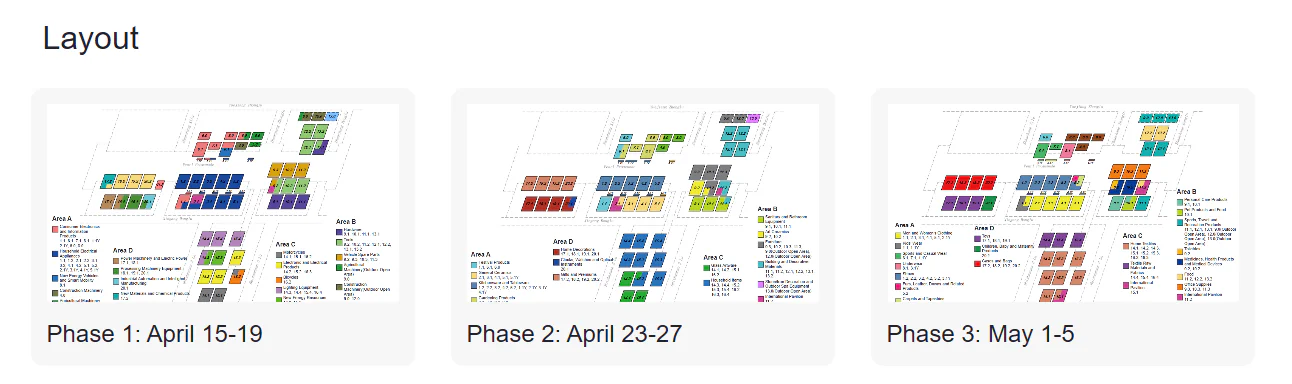
The Canton Fair is held twice a year in Guangzhou — Spring (April–May) and Autumn (October–November). Each session is divided into three phases, and each phase features completely different product categories.
How to Choose the Right Canton Fair Phase
2026 Canton Fair Dates (Spring Session)
Phase 1: April 15–19, 2026
Phase 2: April 23–27, 2026
Phase 3: May 1–5, 2026
2026 Canton Fair Dates (Autumn Session)
Phase 1: October 15–19, 2026
Phase 2: October 23–27, 2026
Phase 3: October 31–November 4, 2026
Each phase focuses on different industries, and product categories do not overlap.
This means:
You cannot see all industries in one visit
Your target suppliers will only appear in a specific phase
Choosing the wrong phase can make your entire trip unproductive
Product Categories by Phase
Phase 1 – Electronics, machinery, industrial equipment, building materials
Phase 2 – Home goods, kitchenware, gifts, decorations, consumer products
Phase 3 – Textiles, apparel, footwear, office supplies, medical products, food
If you import home décor but attend Phase 1, you may spend days walking through industrial machinery halls with zero relevant suppliers.
Considering the cost of international flights, hotels, and time investment, selecting the wrong phase is not a minor mistake — it can mean a completely wasted sourcing trip.
👉 Not sure which phase matches your products?
Read our detailed phase breakdown here.
Tip 2: Register Online Before Arrival
If this is your first time at Canton Fair, registration is something you should complete before booking your flight — not after landing in Guangzhou.
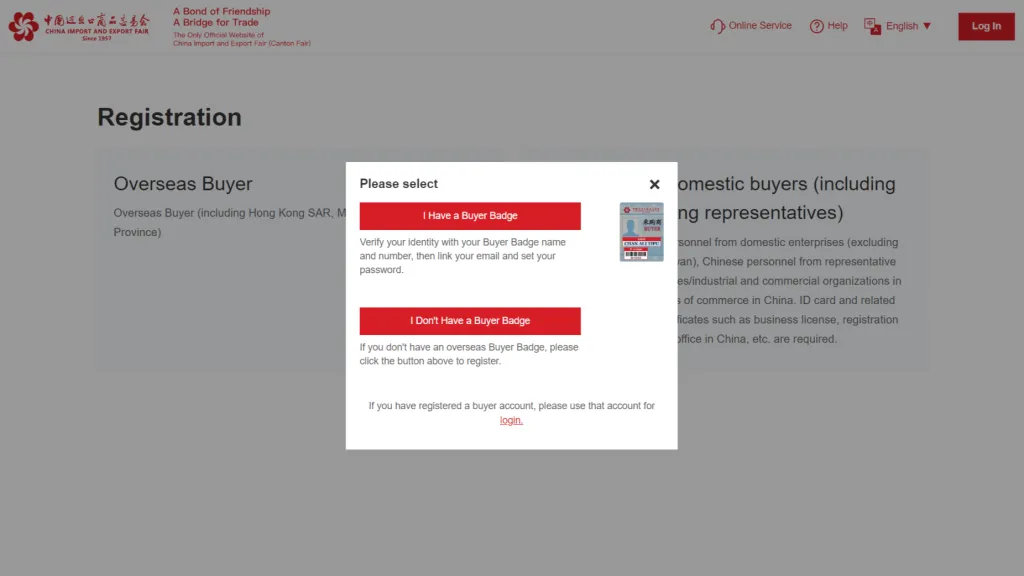
The Canton Fair requires all international visitors to obtain an official Buyer Badge to enter the exhibition halls. While on-site registration is available, peak-day queues can easily take 1–2 hours, especially on the first day of each phase.
If you’re searching for how to register for Canton Fair, the safest and most efficient method is online pre-registration.
How to Register for Canton Fair (Step-by-Step)
1.Complete online pre-registration through the official platform
2.Upload passport information
3.Submit your company details
4.Apply for an invitation letter (if needed for visa)
5.Receive confirmation
6.Collect your physical Buyer Badge at the venue upon arrival
Pre-registration does not replace badge collection, but it significantly reduces waiting time.
Documents You Should Prepare
Before departure, make sure you bring:
- Valid passport (minimum 6 months validity recommended)
- Registration confirmation email
- Invitation letter (for visa application if required)
- Business cards (useful during badge collection and networking)
Many buyers forget the invitation letter requirement. If your country requires a Chinese business visa, the invitation letter is often necessary for visa approval.
Why Early Registration Matters
Professional buyers treat the first day as a strategic sourcing day — not a paperwork day.
Arriving unprepared can result in:
- Delayed entry into the halls
- Missed supplier appointments
- Poor first-day productivity
Considering that international travel to Guangzhou can cost thousands of dollars, losing half a day.
Tip 3: Book Your Hotel 2–3 Months in Advance
One of the most overlooked Canton Fair tips for first-time buyers is hotel planning.
During the Canton Fair season, hotel demand in Guangzhou increases dramatically. Prices typically rise 30%–80% compared to normal periods — and popular business hotels near the exhibition complex can sell out weeks in advance.
If you wait too long, you may face:
- Limited room options
- Significantly higher prices
- Long daily commute times
- Lower comfort and productivity
For serious buyers, accommodation is not just about comfort — it directly affects sourcing efficiency.
Strategic Booking Advice
Professional buyers often:
- Book refundable rooms 2–3 months in advance
- Monitor price changes
- Choose metro-accessible hotels
- Balance commute time with dining convenience
If your schedule is tight, staying near Pazhou may improve daily productivity.
If networking and client dinners are part of your plan, Tianhe could be the smarter option.
👉 Need a detailed comparison of the best hotel areas and recommended properties?
Read our complete accommodation guide here.
Tip 4: Use Metro Instead of Taxi During Rush Hour
The Canton Fair is held at the Pazhou exhibition complex in Guangzhou, and traffic congestion during fair days can be intense.
If you’re searching for how to visit Canton Fair efficiently, your daily commute strategy matters more than you think.
Avoid Taxi During Morning Rush (8:00–10:00 AM)
Peak congestion time:
- 8:00–10:00 AM
- Especially heavy on the first two days of each phase
- Even worse on rainy days
Common taxi problems during peak hours:
- Hard to find available cars
- Long waiting times
- Traffic delays
- Higher ride costs
A 20-minute normal drive can easily turn into 60–90 minutes during rush hour.
Losing one hour in traffic means losing valuable supplier meetings.
Why Metro Line 8 Is the Smartest Option
Guangzhou Metro Line 8 connects directly to the Pazhou exhibition area and is usually the most reliable transportation method during the fair.
Advantages:
- Predictable travel time
- No traffic delays
- Lower cost
- Runs frequently
Most professional buyers choose hotels within walking distance to a metro station rather than relying on daily taxi rides.
Pro Transportation Strategy
For maximum efficiency:
- Leave hotel before 8:00 AM
- Use metro in the morning
- Consider taxi only after 6:00 PM
- Avoid leaving the venue at 5:30 PM peak exit time
Small transportation decisions can significantly impact your sourcing productivity.
If your hotel location and transport method are not well planned, you may waste 1–2 hours per day — which adds up quickly over a 3–5 day visit.
👉Want a full airport-to-hotel and metro route guide?
Read our detailed transportation breakdown here.
Tip 5: Plan Your Visiting Route Before Entering the Hall
If you only remember one of these Canton Fair tips, make it this one.
The Canton Fair exhibition complex is massive. With thousands of booths spread across multiple halls, walking in without a plan almost guarantees wasted time and low efficiency.
Many first-time buyers make this mistake:
They enter the hall and start walking randomly.
Professional buyers never do that.
Step 1: Identify Your Target Product Halls
Before arrival:
Confirm your product category
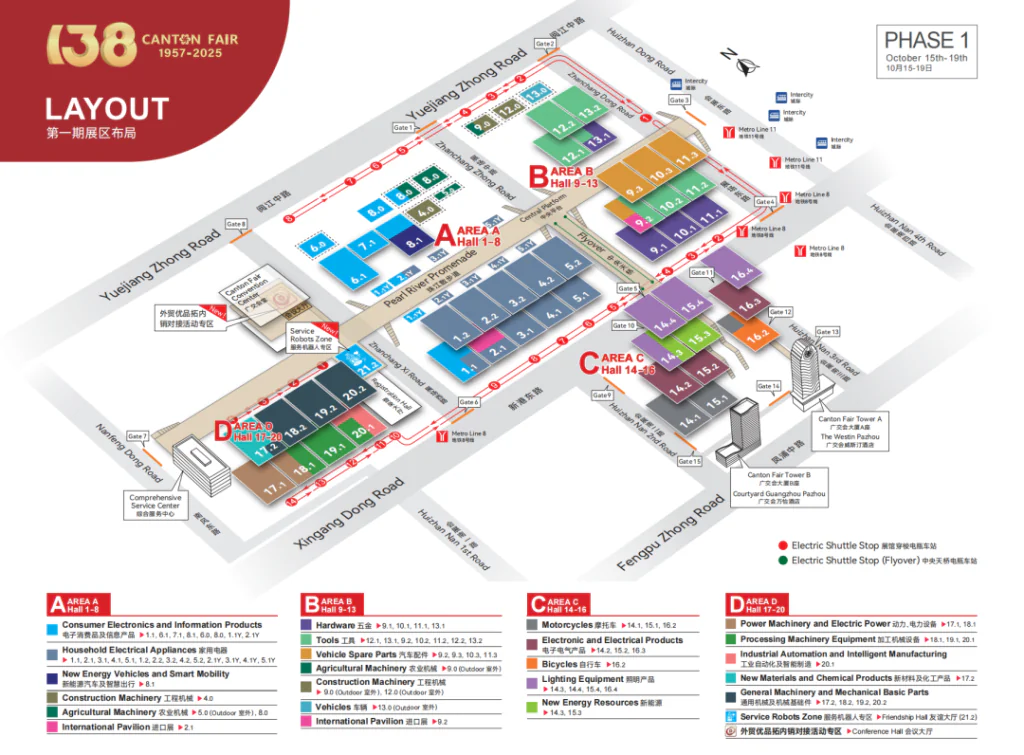
Check the official hall distribution
Mark the exact hall numbers
Each phase contains multiple halls organized by product type. If you don’t know your hall in advance, you may spend 1–2 hours just locating the right section.
Step 2: Download the Exhibition Map
Always keep:
Digital map on your phone
Screenshots of target booth numbers
Supplier shortlist
This avoids poor signal issues and saves time navigating inside the venue.
Step 3: Prioritize High-Value Suppliers First
Your energy and focus are strongest in the morning.
Smart buyers:
Visit shortlisted suppliers first
Confirm factory capabilities early
Collect catalogs efficiently
Leave low-priority booths for later
Never “warm up” on random booths.
Step 4: Set a Daily Booth Target
Instead of trying to see everything:
Focus on 20–30 qualified suppliers per day
Spend 5–10 minutes screening each
Take structured notes immediately
After 3–5 hours, information overload reduces decision quality.
Efficiency beats quantity.
The Real Difference Between Visitors and Professional Buyers
Casual visitors:
× Walk randomly
× Collect hundreds of catalogs
× Feel exhausted by 3 PM
Professional buyers:
- Follow a pre-planned route
- Pre-book supplier meetings
- Compare suppliers systematically
- Leave with clear shortlists
The exhibition is not about seeing everything.
It’s about seeing the right suppliers.
Tip 6: Prepare a Supplier Evaluation Checklist
One of the biggest mistakes first-time buyers make at the Canton Fair is relying on quick impressions instead of structured supplier evaluation.
At a large trade show, many booths may look professional, but appearance alone does not guarantee a reliable factory.
Without a clear checklist, buyers often leave the fair with dozens of catalogs but very little actionable information.
Professional buyers always screen suppliers using a standardized evaluation process.
Key Questions to Ask Suppliers
When visiting booths, prepare a checklist that helps you quickly identify qualified manufacturers.
Important factors include:
- MOQ (Minimum Order Quantity)
Can the supplier meet your order volume requirements?
- Production Capacity
How many units can they produce per month?
- Certifications & Compliance
Do they have certifications such as ISO, FDA, CE, or other required standards?
- Lead Time
How long does production take after order confirmation?
- Export Experience
Which countries or regions do they export to?
- Customization Capability
Can they support OEM or private label orders?
These questions help you filter out trading companies or inexperienced factories quickly.
Pro Tip: Don‘t Trust Booth Promises Alone
Many discussions at trade shows are preliminary.
Before placing an order, professional buyers usually:
Verify the supplier’s company registration
Request product samples
Conduct factory audits or video inspections
This verification step is essential for reducing sourcing risks.
If you don’t have time to verify factories after the fair, working with a local sourcing team can help handle supplier background checks and factory visits.
Tip 7: Don’t Try to Visit Too Many Booths in One Day
Many first-time buyers at the Canton Fair try to visit as many booths as possible.
This sounds efficient, but in reality it usually backfires.
The exhibition halls are huge, and after talking to dozens of suppliers, it becomes hard to remember important details — prices, minimum order quantities, or even which booth showed which product.
By the end of the day, many buyers leave with a bag full of catalogs but no clear idea which suppliers are actually suitable.
Focus on 20–30 Suppliers Per Day
Experienced buyers usually focus on 20–30 suppliers per day.
This gives enough time to:
- check product quality
- ask about MOQ and pricing
- understand production capability
- take notes about the supplier
Rushing through too many booths often means you miss important details.
Your Energy Is Limited
After 3–5 hours of walking, talking, and comparing products, most people start to lose focus.
Prices start mixing together.
Products start looking similar.
Notes become messy.
That’s why many buyers concentrate their supplier meetings in the morning, then review their notes or shortlist suppliers later in the day.
Quality Beats Quantity
At a trade show like the Canton Fair, the goal is not to see everything.
The real goal is to find a few reliable suppliers you can actually work with.
Spending more time with the right factories is usually much more valuable than visiting hundreds of booths.
Tip 8: Take Photos and Notes Immediately
When visiting the Canton Fair, you will speak with many suppliers in a single day. After a while, booths start to look similar and product details begin to mix together.
A common situation for first-time buyers is this:
you return to the hotel in the evening with a stack of catalogs — but it’s hard to remember which supplier showed which product or quoted which price.
To avoid this, take photos and short notes right after each booth visit.

What You Should Record
Simple notes can make a big difference later when comparing suppliers. Try to record:
- Booth number
- Supplier company name
- Contact person
- Key product photos
- Quoted price or MOQ
- Special features or customization options
Taking a quick photo of the booth sign together with the product can also help you identify the supplier later.
Keep Your Notes Organized
Some buyers use their phone notes, while others prefer spreadsheets or sourcing apps. The tool doesn’t matter — what matters is recording the information immediately.
Even a few short notes after each conversation can save hours when reviewing suppliers after the fair.
Clear notes make it much easier to compare suppliers, follow up with the right contacts, and move forward with the best options after the exhibition.
Tip 9: Schedule Follow-Up Meetings After the Fair
Many buyers assume the deal should happen during the Canton Fair. In reality, most serious discussions happen after the exhibition ends.
The fair is mainly for initial contact and product screening. Suppliers are busy, conversations are short, and pricing is often only preliminary. Important details usually need to be confirmed later.
That’s why experienced buyers plan follow-ups once the fair is over.
What to Do After the Fair
After you return to your hotel or your home country, take time to review the suppliers you met and follow up with the most promising ones.
Typical next steps include:
Requesting detailed quotations
Asking for product samples
Confirming MOQ and lead time
Discussing customization or packaging
Arranging video calls to clarify details
Following up quickly also helps suppliers remember your company and prioritize your inquiry.
Stay in Contact With the Right Suppliers
Many suppliers prefer continuing communication through tools like WeChat, WhatsApp, or email after the fair. This makes it easier to exchange files, product specifications, and updated quotes.
If possible, organize your supplier contacts and schedule follow-ups within 3–5 days after the fair while the conversations are still fresh.
Trade shows open the door — but real cooperation usually begins after the exhibition.
Tip 10: Consider Working With a Local Sourcing Team
Attending the Canton Fair is a great way to discover new suppliers. But finding a product you like at a booth is only the first step.
For many first-time buyers, the real challenges begin after the fair.
Common problems include:
Language barriers during negotiation
Difficulty verifying whether a supplier is a real factory
Unclear pricing structures
Quality control risks before shipment
Complicated payment and contract terms
These issues are normal when sourcing internationally, especially if you are working with new suppliers.
Why Some Buyers Use a Sourcing Team
This is why many overseas buyers choose to work with a local sourcing team in China. A reliable team can help with tasks such as:
Verifying supplier background and factory information
Communicating with suppliers in Chinese
Arranging factory visits or video inspections
Checking product samples
Coordinating quality inspections before shipment
This kind of support can reduce risk and save time, especially if you cannot stay in China for long after the exhibition.
When It Makes Sense
Working with a sourcing partner can be useful if you:
Are visiting the Canton Fair for the first time
Need help verifying suppliers
Plan to place larger orders after the fair
Want someone locally to manage follow-up communication
Many buyers still find their suppliers at the fair — but rely on local support to handle the detailed work afterward.
If you need help verifying suppliers or organizing factory visits after the Canton Fair, our local sourcing team can assist with supplier checks, inspections, and production follow-up in China.
Conclusion
Visiting the Canton Fair for the first time can be overwhelming, but the right preparation makes a big difference.
By choosing the correct phase, planning your booth visits, taking clear notes, and following up with suppliers after the fair, you can greatly improve your sourcing efficiency.Check our complete Canton Fair Guide for hotel, transportation, and dining tips — or contact us if you need sourcing support in China.

Tennie Chen is responsible for sourcing and supplier evaluation, with a focus on balancing product quality, cost efficiency, and supply chain reliability. My role involves identifying trustworthy manufacturers, comparing quotations, analyzing total landed costs, and ensuring compliance with international standards. I always prioritize long-term partnerships over one-time deals, aiming to work with suppliers who can provide consistent quality, competitive pricing, and flexible solutions. When making purchasing decisions, I evaluate not only the product itself but also the supplier’s production capacity, lead time, and after-sales support, ensuring that every cooperation contributes to sustainable business growth.