1. Overview of China‘s Manufacturing Landscape
China has built the most comprehensive and efficient manufacturing ecosystem in the world. Rather than relying on a single industrial center, China’s manufacturing strength comes from highly specialized regional clusters, where entire supply chains are concentrated within specific cities or regions.
Each manufacturing hub typically focuses on certain product categories, supported by nearby raw material suppliers, component manufacturers, logistics providers, and export infrastructure. This cluster-based model allows factories to achieve lower production costs, faster lead times, and more consistent quality.
For global importers, this means that sourcing success in China is rarely about finding “any factory.” It is about choosing the right manufacturing hub that matches your product type, order volume, target market, and business model.
Some cities are known for high-volume, standardized goods, while others excel in electronics, ceramics, footwear, or specialized industrial products. Understanding how China’s manufacturing landscape is structured is the first step toward building a reliable and scalable sourcing strategy.
2. Deep Dive into China‘s Top Manufacturing Hubs
China’s manufacturing ecosystem is not centralized in one single city. Instead, it is built around specialized industrial hubs, each with its own strengths, supply chains, and sourcing logic.
Understanding the differences between these hubs helps global importers reduce costs, shorten lead times, and choose suppliers more strategically.
Below is a detailed breakdown of two of China’s most influential manufacturing centers.
2.1 Yiwu – Global Center for Small Commodities & Daily Use Goods
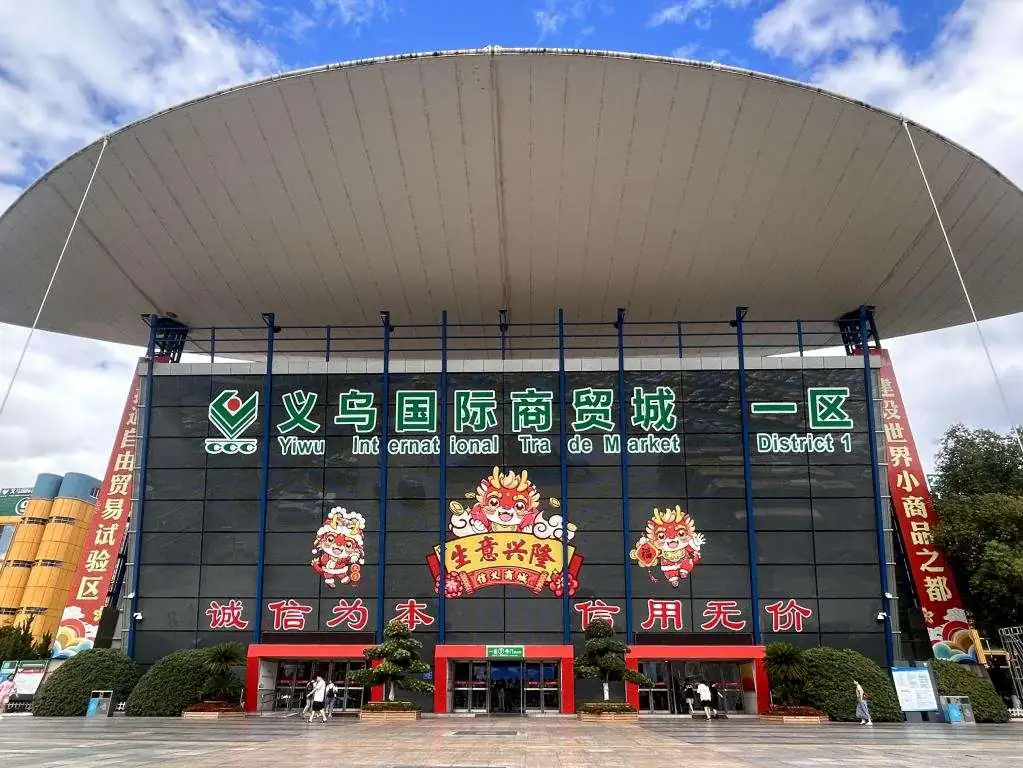
Yiwu is widely recognized as the world’s largest small commodities sourcing hub, especially for buyers dealing in high-SKU, fast-moving consumer goods.
What Yiwu Is Best Known For
Yiwu’s manufacturing and trading ecosystem focuses on small, standardized, and frequently reordered products, including:
- Daily-use household items
- Promotional products & giveaways
- Stationery and office supplies
- Party supplies and seasonal items
- Fashion accessories and small gifts
The city is closely integrated with the Yiwu International Trade Market, which hosts tens of thousands of suppliers and showcases millions of SKUs year-round.
Manufacturing & Supply Chain Advantages
Yiwu’s strength is not heavy manufacturing, but flexible production + rapid sourcing:
- Low MOQs suitable for market testing
- Fast sampling and quotation cycles
- Dense supplier clusters within short distances
- Strong consolidation and mixed-container logistics
For importers managing multiple product categories, Yiwu allows one-stop sourcing across dozens of factories.
Who Should Source from Yiwu
Yiwu is particularly suitable for:
- Importers and wholesalers with wide product lines
- Supermarkets and dollar stores
- Amazon and eCommerce sellers testing new SKUs
- Buyers focused on price competitiveness and variety
However, for highly technical, patented, or high-precision products, Yiwu may not be the optimal choice.
2.2 Shenzhen – China’s Electronics Powerhouse
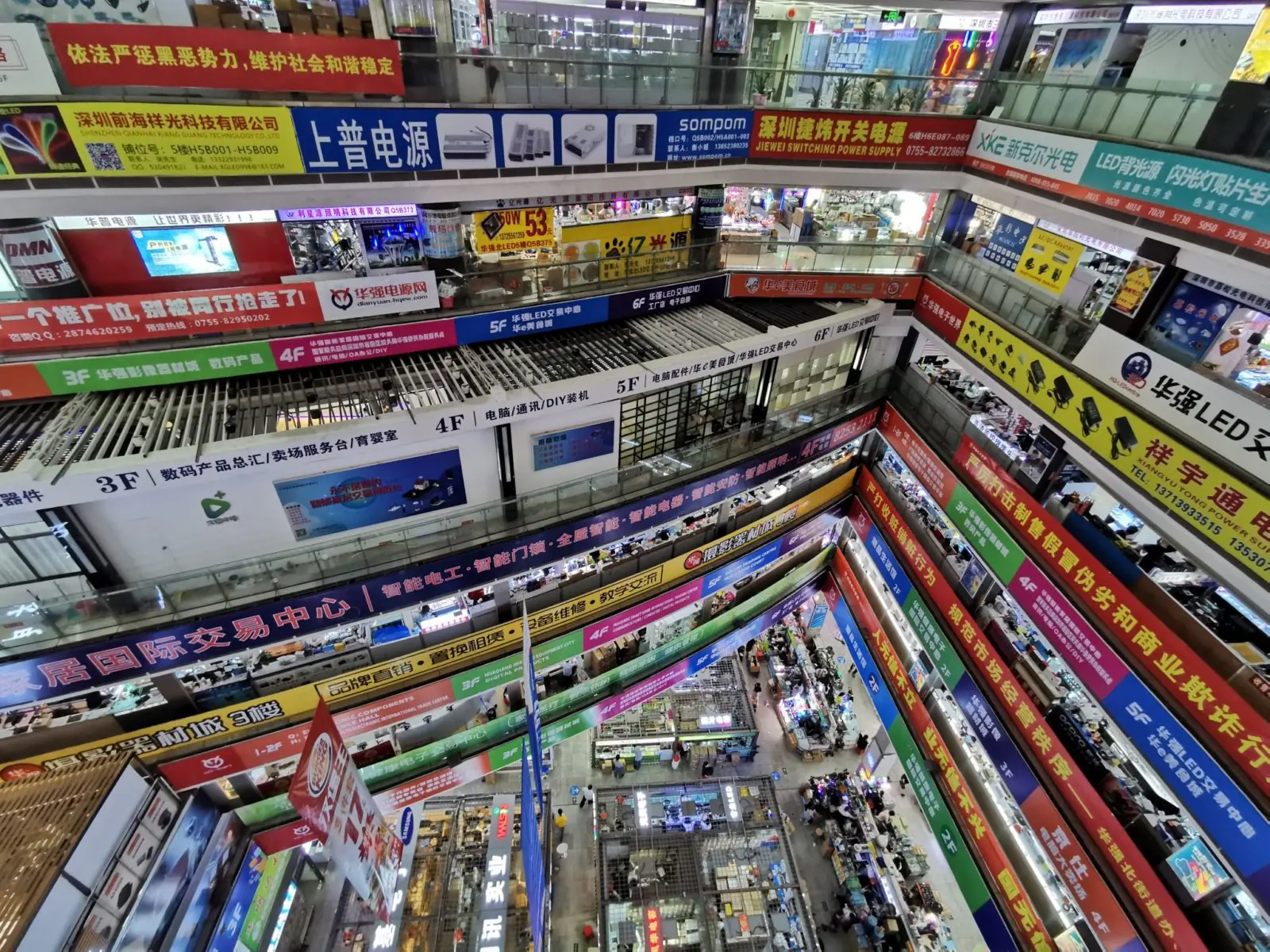
Shenzhen is China’s most advanced hub for electronics manufacturing, innovation, and rapid prototyping, often referred to as “China’s Silicon Valley.”
Core Product Categories
Shenzhen dominates global supply chains for:
- Consumer electronics (earphones, chargers, smart devices)
- IoT products and smart home equipment
- PC accessories and peripherals
- OEM & ODM electronic components
- Emerging tech and startup hardware products
The city’s ecosystem integrates R&D, prototyping, manufacturing, and export within a single region.
Why Shenzhen Leads in Electronics Manufacturing
Shenzhen’s key advantage lies in its speed and technical depth:
- Short development-to-market cycles
- Mature ODM/OEM services
- Access to component markets like Huaqiangbei
- Strong engineering and design talent pool
This allows buyers to move from concept to mass production much faster than in most other regions.
Ideal Buyers for Shenzhen Suppliers
Shenzhen is best suited for:
- Brands developing customized or smart products
- Importers needing OEM/ODM electronics
- Tech startups and innovation-driven companies
- Buyers prioritizing functionality over lowest price
Costs are generally higher than inland manufacturing hubs, but the technical reliability and innovation capacity often justify the premium.
2.3 Guangzhou – Household Goods & General Merchandise Base
Guangzhou has long been one of China’s most important export-oriented manufacturing and trading centers, especially for household goods and general merchandise targeting global mass markets.

Key Product Categories in Guangzhou
Guangzhou’s manufacturing ecosystem covers a broad range of mid-range consumer products, including:
- Household goods and kitchenware
- Storage products and home organization items
- Personal care and lifestyle products
- Fashion accessories and daily-use merchandise
- General export goods for supermarkets and chain stores
The city is also closely connected with nearby manufacturing areas such as Foshan, Zhongshan, and Jiangmen, forming a powerful Greater Bay Area supply chain network.
Manufacturing & Trade Advantages
Guangzhou stands out for its strong trade infrastructure and sourcing flexibility:
- Long history of export-oriented factories
- Experienced suppliers familiar with Western compliance standards
- Easy access to Canton Fair and international buyers
- Efficient logistics through major ports and airports
For buyers sourcing multiple household categories, Guangzhou offers a balance between cost, quality, and export experience.
Ideal Buyers for Guangzhou Suppliers
Guangzhou is particularly suitable for:
- Importers and wholesalers serving supermarkets and retailers
- Buyers sourcing household goods at scale
- Distributors seeking stable, long-term suppliers
- Brands prioritizing reliability and export compliance
Compared with Yiwu, Guangzhou suppliers usually offer more stable quality and larger production capacity, but with slightly higher MOQs.
2.4 Ningbo – Plastics & Small Appliances Hub
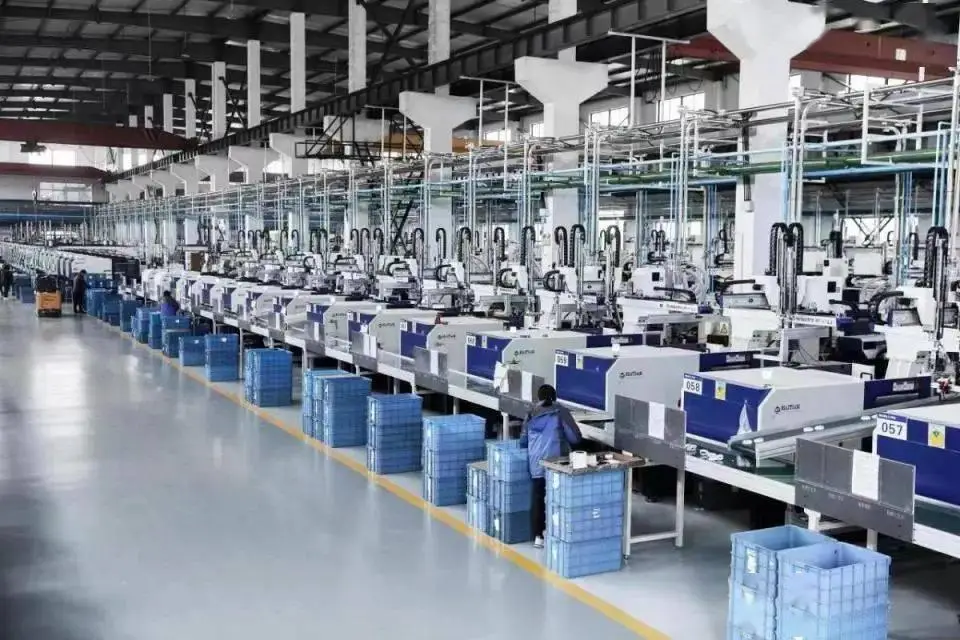
Ningbo is a core manufacturing base in eastern China, well known for its strength in plastic products and small home appliances, supported by one of the world’s busiest ports.
Core Manufacturing Focus in Ningbo
Ningbo’s factories specialize in:
- Plastic household products
- Storage boxes, containers, and organizers
- Small home appliances (fans, heaters, kitchen appliances)
- Injection-molded consumer goods
- OEM components for international brands
The city is surrounded by mature industrial zones, creating a highly integrated manufacturing ecosystem.
Why Ningbo Excels in Plastics & Appliances
Ningbo’s competitive advantage lies in industrial depth and logistics efficiency:
- Strong mold-making and injection molding capabilities
- High level of production automation
- Stable material supply chains
- Direct access to Ningbo-Zhoushan Port for global shipping
This makes Ningbo especially attractive for buyers seeking consistent quality and large-volume production.
Who Should Source from Ningbo
Ningbo is ideal for:
- Importers purchasing plastic products in bulk
- Brands sourcing small appliances with safety certifications
- Buyers focused on long-term cooperation and repeat orders
- Companies sensitive to shipping efficiency and lead times
Compared with southern manufacturing hubs, Ningbo often offers better cost control for large orders, while maintaining reliable production standards.
2.5 Shantou – Toys & Plastic Goods Manufacturing
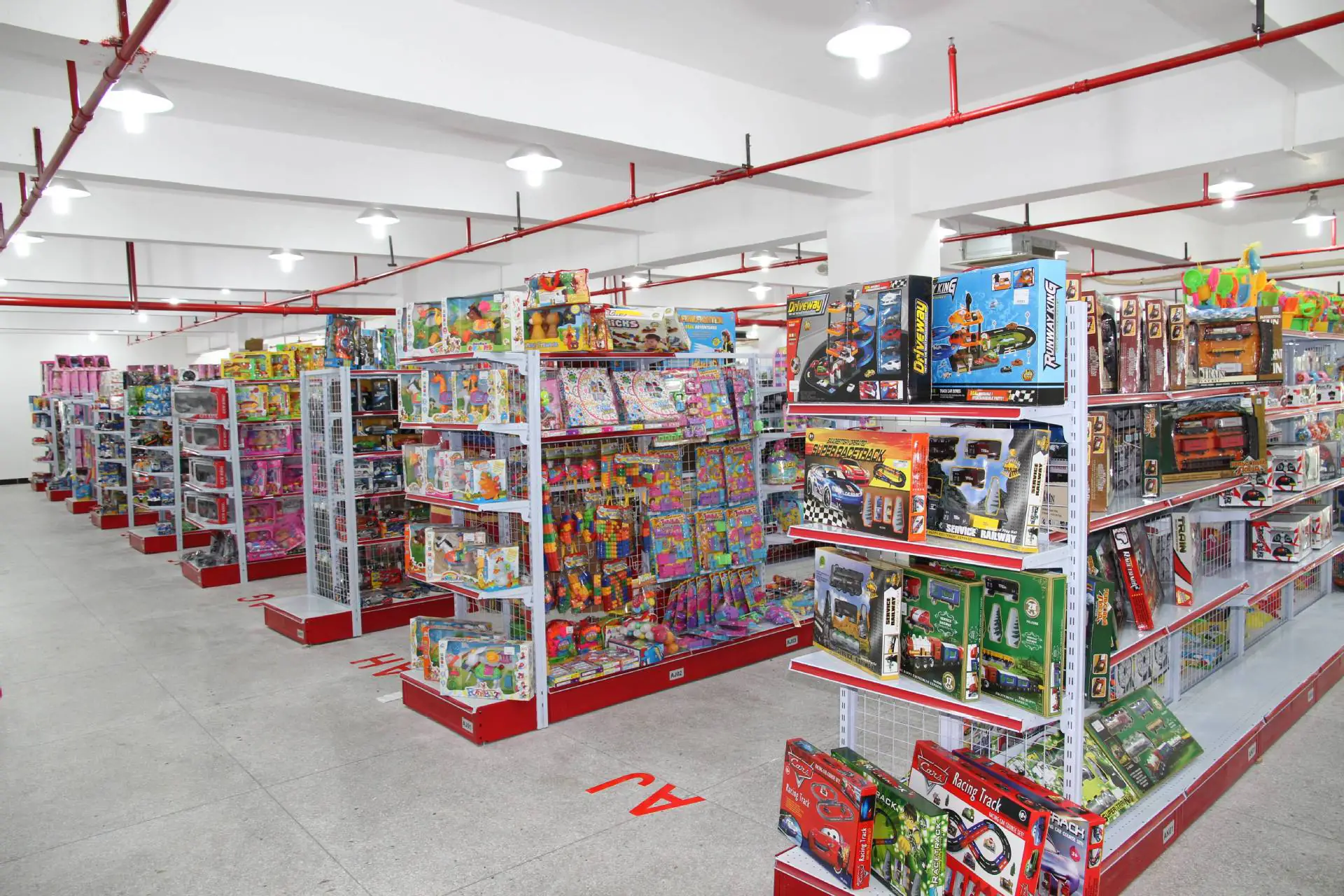
Shantou, especially the Chenghai district, is internationally recognized as one of China’s most important toy and plastic goods manufacturing bases.
Core Product Strengths in Shantou
Shantou’s factories focus on:
- Plastic toys (educational, promotional, licensed toys)
- Baby and kids products
- Plastic daily-use goods
- Gift items and novelty products
- OEM & ODM toy development
The region is known for fast product iteration and strong mold development capabilities.
Why Global Buyers Choose Shantou
Shantou’s competitive advantages include:
- Highly specialized toy manufacturing clusters
- Mature mold-making and plastic injection supply chains
- Flexible MOQs for export-oriented buyers
- Experience with international toy safety standards (EN71, ASTM, CPSIA)
Compared with other regions, Shantou offers better customization flexibility for toy buyers.
Best-Fit Buyers for Shantou Suppliers
Shantou is ideal for:
- Toy importers and brand owners
- Promotional product buyers
- Distributors focusing on kids’ products
- Buyers needing OEM/ODM toy solutions
2.6 Quanzhou – Footwear Manufacturing Cluster
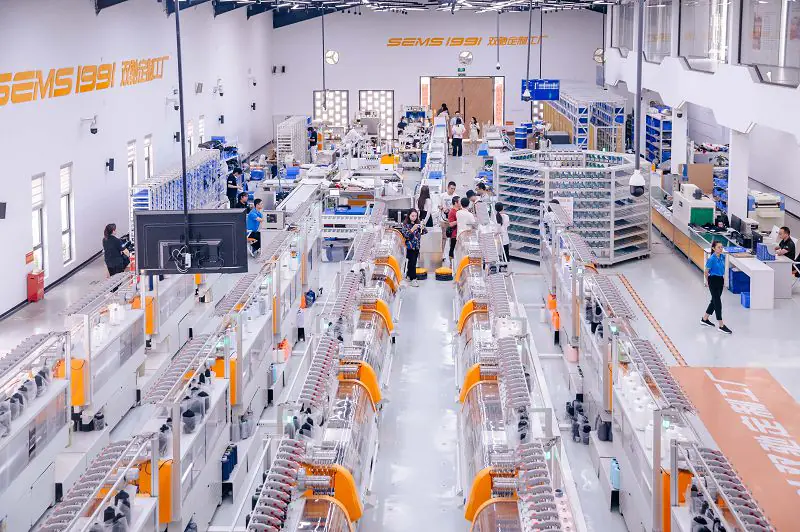
Quanzhou is one of China’s most established footwear manufacturing hubs, supplying shoes to global sports, casual, and fashion markets.
Key Footwear Categories in Quanzhou
Factories in Quanzhou specialize in:
- Sports shoes and sneakers
- Casual and lifestyle footwear
- Sandals and EVA footwear
- OEM manufacturing for international brands
The region has a deeply integrated footwear supply chain, covering soles, uppers, materials, and assembly.
Manufacturing Advantages of Quanzhou
Quanzhou stands out due to:
- Decades of footwear manufacturing experience
- Strong R&D and design capabilities
- Scalable production for large-volume orders
- Competitive pricing compared to southern China
This makes Quanzhou a strategic base for cost-effective, export-quality footwear.
2.7 Chaozhou – China’s Ceramic Capital
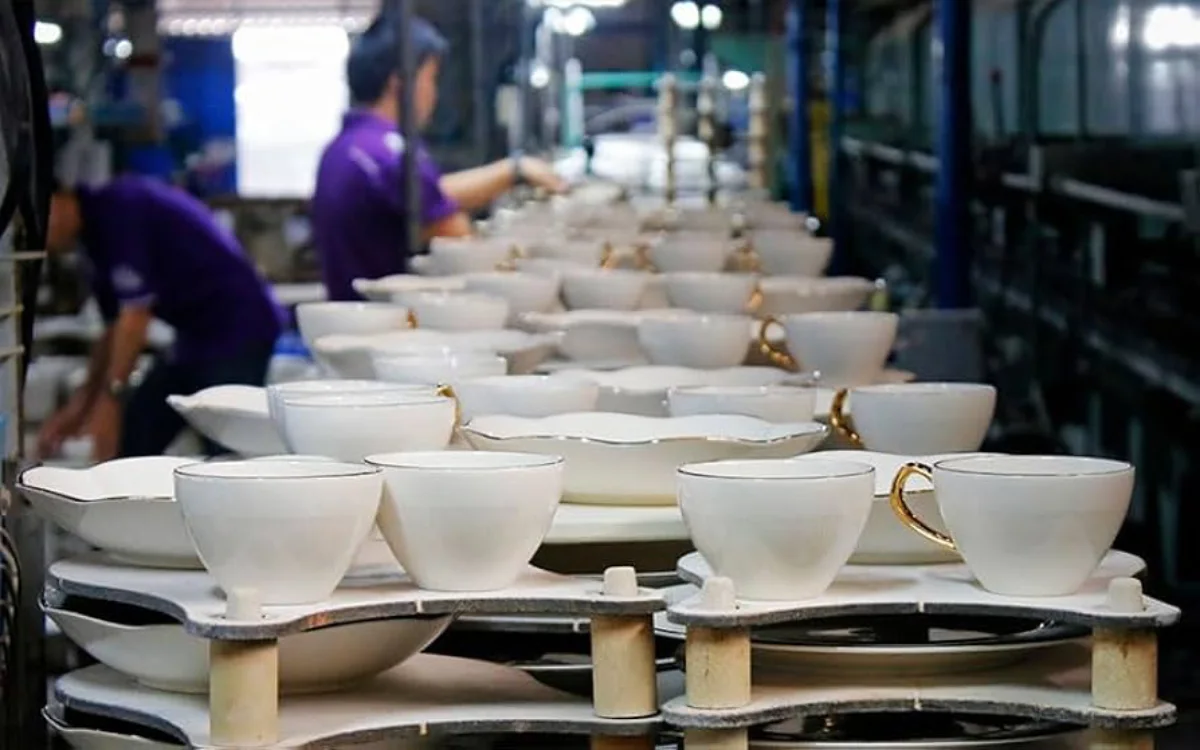
Chaozhou is widely known as China’s ceramic capital, with a long tradition of ceramic craftsmanship combined with modern manufacturing.
Main Ceramic Product Categories
Chaozhou manufacturers focus on:
- Ceramic tableware and dinner sets
- Ceramic mugs and cups
- Decorative ceramics
- Hotel and restaurant ceramic supplies
The region supports both handcrafted and automated ceramic production.
Why Chaozhou Dominates Ceramic Manufacturing
Key advantages include:
- Complete ceramic supply chain (kilns, glazing, decoration)
- Strong customization and pattern development
- Competitive pricing for export ceramics
- Experience with food-contact safety standards
Chaozhou is especially popular among buyers seeking design flexibility at factory prices.
2.8 Jinhua – Hardware Tools & Outdoor Items Manufacturing
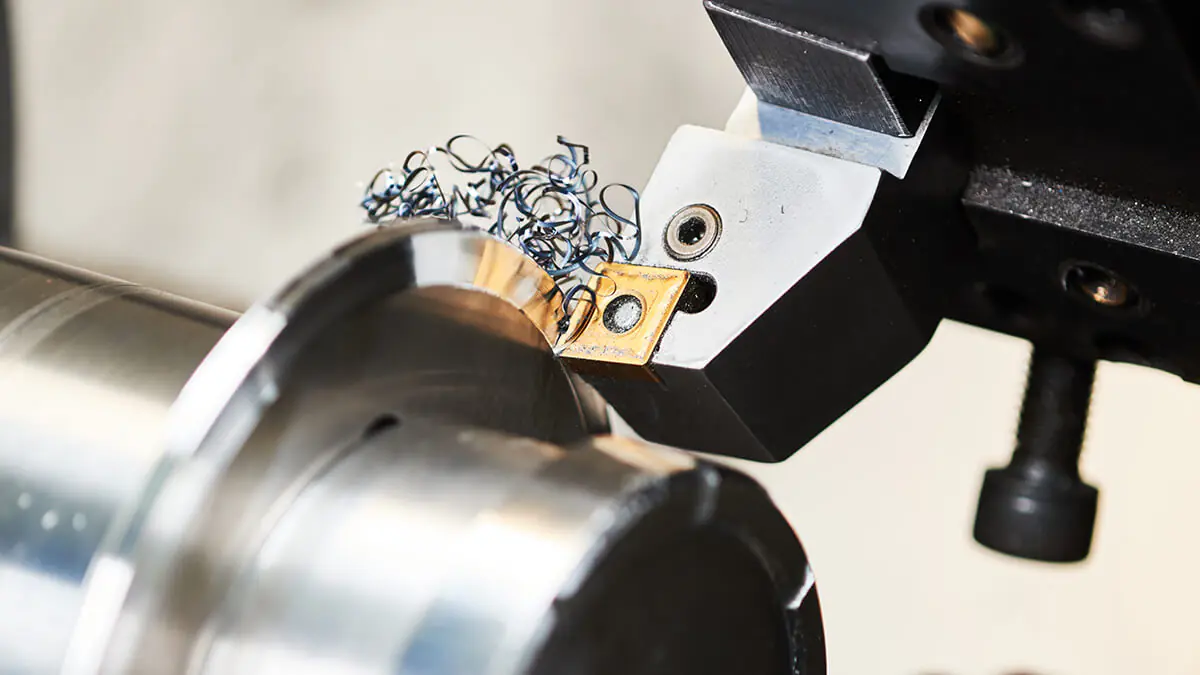
Jinhua, including Yongkang, is one of China’s most important manufacturing centers for hardware tools and outdoor products.
Core Manufacturing Categories in Jinhua
Jinhua factories specialize in:
- Hand tools and hardware accessories
- Garden and outdoor tools
- Camping and leisure products
- Metal household items
The region is known for high-volume standardized production.
Competitive Advantages of Jinhua Manufacturing
Jinhua offers:
- Mature metal processing and tooling industries
- Strong OEM capacity for global tool brands
- Cost-effective mass production
- Efficient inland logistics connected to major ports
2.9 Linyi – China’s Low-Cost Daily Necessities Base
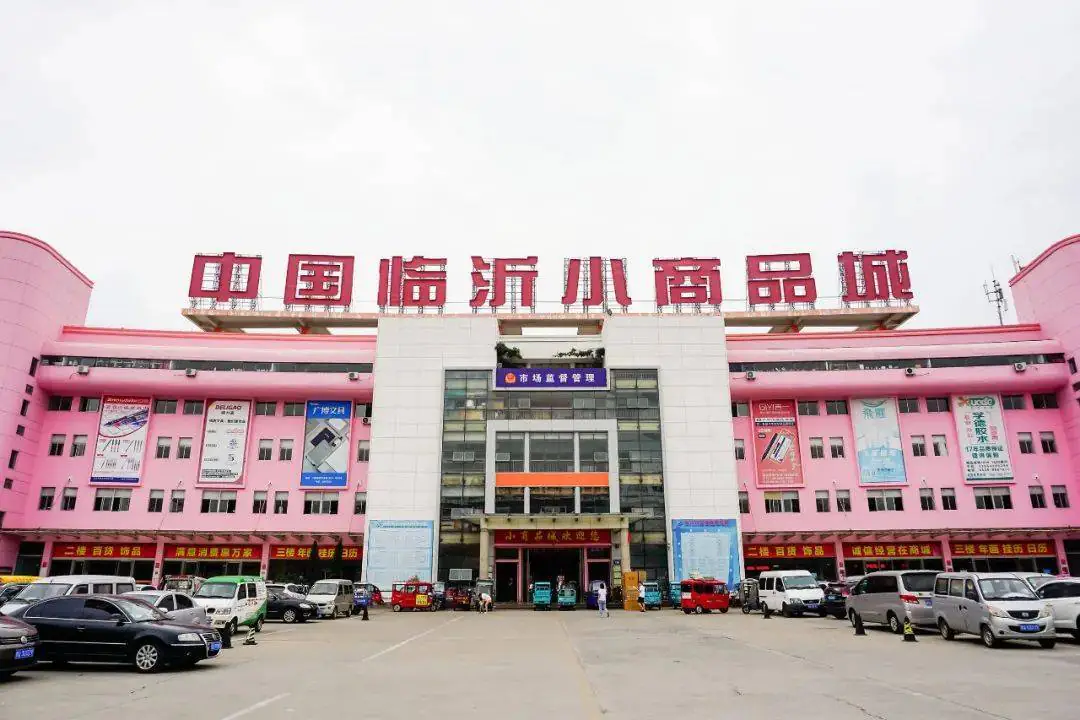
Linyi is one of northern China’s largest wholesale and manufacturing hubs for daily necessities, serving value-driven global markets.
Key Product Categories in Linyi
Linyi’s manufacturers focus on:
- Low-cost household goods
- Cleaning supplies and plastic items
- Storage and organization products
- General daily-use commodities
The city is closely linked to one of China’s largest inland wholesale markets.
Why Linyi Attracts Cost-Sensitive Buyers
- Linyi’s advantages include:
- Extremely competitive pricing
- Large-scale standardized production
- Fast turnover for common-use products
- Suitable for container-load sourcing
3.How to Choose the Right Manufacturing Hub in China
China’s manufacturing strength lies not in a single city, but in its highly specialized regional clusters. Choosing the right manufacturing hub can significantly impact cost, quality, lead time, and long-term sourcing stability.
Instead of asking “Which city is the cheapest?”, global importers should focus on which region best matches their product type and sourcing goals.
3.1 Key Factors in Choosing a Manufacturing Location
When selecting a manufacturing hub in China, experienced buyers typically evaluate the following factors:
Product Specialization & Supply Chain Depth
Each Chinese manufacturing hub specializes in specific product categories. Choosing a region with deep specialization means:
- Easier access to raw materials and components
- Better mold development and process know-how
- Faster product iteration and customization
For example, sourcing toys from Shantou or ceramics from Chaozhou often leads to better quality and pricing than sourcing from a non-specialized region.
MOQ Flexibility & Production Scale
Different hubs serve different buyer profiles:
- Some regions focus on small-batch, fast-turnover production
- Others specialize in large-volume, standardized manufacturing
Importers should match their order size and growth plan with the right hub to avoid hidden cost increases or supplier resistance.
Quality Standards & Compliance Experience
Not all factories have equal experience with:
- International certifications
- Safety standards (CE, FDA, LFGB, CPSIA, etc.)
- Export documentation
Regions with long export histories, such as Guangzhou, Ningbo, and Shenzhen, often have stronger compliance awareness and documentation systems.
Logistics & Export Efficiency
Manufacturing location directly affects:
- Inland transportation costs
- Port accessibility
- Shipping lead times
Coastal hubs like Ningbo and Shenzhen benefit from direct port access, while inland regions may offer lower factory prices but higher logistics costs.
3.2 Simple Sourcing Decision Tree
Step 1: Identify Your Product Type
| Product Type | Recommended Manufacturing Hub |
| Small commodities & daily-use goods | Yiwu / Linyi |
| Electronics | Shenzhen |
| Household goods & general merchandise | Guangzhou |
| Plastics & small appliances | Ningbo |
| Toys & plastic goods | Shantou |
| Ceramics | Chaozhou |
| Footwear | Quanzhou |
| Hardware tools & outdoor items | Jinhua |
Step 2: Match Your Order Volume
| Order Size | Suitable Hubs |
| Small to medium MOQ | Yiwu, Shantou |
| Medium to large volume | Ningbo, Quanzhou, Jinhua |
| Container-load sourcing | Linyi, Guangzhou |
Step 3: Define Your Market Priority
| Buyer Priority | Best-Fit Manufacturing Regions |
| Lowest price | Linyi, Yiwu |
| Quality & stability | Guangzhou, Ningbo |
| Compliance & certifications | Shenzhen, Ningbo |
| Customization & OEM | Shantou, Chaozhou |
4. Comparing China’s Top Manufacturing Hubs
China’s manufacturing advantage lies in its regional specialization. Below is a clear comparison of China’s top manufacturing hubs to help global importers quickly identify the best sourcing location based on product type, cost, MOQ, and export readiness.
| Manufacturing Hub | Core Products | MOQ Flexibility | Price Level | Export Experience | Best For |
| Yiwu | Small commodities, daily goods | ⭐⭐⭐⭐ | ⭐⭐⭐⭐ | ⭐⭐⭐ | Wholesalers, trading companies |
| Shenzhen | Electronics | ⭐⭐ | ⭐⭐ | ⭐⭐⭐⭐ | Tech brands, compliance markets |
| Guangzhou | Household goods | ⭐⭐⭐ | ⭐⭐⭐ | ⭐⭐⭐⭐ | Importers, retail suppliers |
| Ningbo | Plastics, small appliances | ⭐⭐ | ⭐⭐⭐ | ⭐⭐⭐⭐ | Large-volume buyers |
| Shantou | Toys, plastic goods | ⭐⭐⭐⭐ | ⭐⭐⭐ | ⭐⭐⭐ | OEM/ODM toy buyers |
| Chaozhou | Ceramics | ⭐⭐⭐ | ⭐⭐⭐ | ⭐⭐⭐ | Tableware brands |
| Quanzhou | Footwear | ⭐⭐ | ⭐⭐⭐ | ⭐⭐⭐ | Footwear importers |
| Jinhua | Hardware, outdoor items | ⭐⭐ | ⭐⭐⭐ | ⭐⭐⭐ | DIY & hardware distributors |
| Linyi | Daily necessities | ⭐⭐⭐⭐ | ⭐⭐⭐⭐ | ⭐⭐ | Price-driven buyers |
4.1 How to Read This Comparison
MOQ Flexibility indicates how open suppliers are to smaller trial orders
Cost Level compares relative factory pricing (not retail price)
Export Experience reflects familiarity with international buyers, compliance, and logistics
This comparison allows buyers to shortlist manufacturing hubs before contacting suppliers, saving time and reducing sourcing risks.
4.2 Which Manufacturing Hub Is Right for You?
If your priority is low MOQ and fast turnover, start with Yiwu or Shantou
If you need certified products and export compliance, consider Shenzhen, Ningbo, or Guangzhou
If your market is highly price-sensitive, Linyi offers the most aggressive pricing
For large-volume, long-term sourcing, Ningbo, Quanzhou, and Jinhua provide scalable production.
5. FAQ——Practical Sourcing Questions About China Manufacturing Hubs
Q1:How do I know if a manufacturing hub is truly specialized in my product?
A specialized manufacturing hub usually has concentrated upstream and downstream suppliers, including raw materials, molds, packaging, and logistics partners within the same region.
If most factories in a city produce similar products and can offer multiple options, faster sampling, and technical feedback, it is a strong sign of true specialization.
Q2:Is it risky to source from a city that is not the main manufacturing hub for my product?
Yes, sourcing outside a product’s core manufacturing cluster often increases risks such as:
Limited technical support
Higher production costs
Slower lead times
Weaker quality consistency
Factories located in specialized hubs typically outperform general manufacturers in both price and reliability.
Q3:How does manufacturing location affect product quality?
Manufacturing location affects quality through process maturity, worker experience, and supply chain depth.
In specialized hubs, factories handle similar products daily, resulting in more stable production processes and fewer quality deviations, especially for repeat orders.
Q4:What’s more important: lower factory price or manufacturing cluster strength?
For most global importers, cluster strength is more important than the lowest unit price.
A slightly higher price from a specialized hub often results in fewer defects, better communication, and smoother long-term cooperation, reducing overall sourcing costs.
Q5:Can I source multiple product categories from one manufacturing hub?
Some hubs, such as Guangzhou and Yiwu, allow multi-category sourcing due to their broad product coverage.
However, for technical or regulated products, sourcing from product-specific hubs usually leads to better outcomes.
Q6:Which manufacturing hubs are best for long-term supplier partnerships?
Hubs like Ningbo, Guangzhou, and Shenzhen are well suited for long-term cooperation due to:
Stable factory operations
Strong export compliance systems
Scalability for growing order volumes
These regions are often preferred by brands and repeat buyers.
Q7: How does factory communication quality differ by region?
Communication quality is influenced by export exposure rather than city size.
Regions with long export histories generally have more English-speaking sales teams and clearer documentation processes, reducing misunderstandings during production.
Q8:Should I visit factories in different cities before choosing a supplier?
If order volume and budget allow, visiting 2–3 key manufacturing hubs can significantly improve supplier evaluation.
Factory visits help verify production capacity, quality control processes, and management professionalism.
Q9:Can sourcing agents or partners help with hub selection?
Yes. Experienced sourcing partners can help buyers:
Identify the right manufacturing hub faster
Shortlist qualified factories
Coordinate sampling, QC, and logistics
This is especially valuable for buyers sourcing from China for the first time.
Conclusion
China’s manufacturing advantage is built on regional specialization, scale, and supply chain depth. There is no single “best” manufacturing city—only the right manufacturing hub for the right product and sourcing strategy.
Whether you are sourcing small commodities from Yiwu, electronics from Shenzhen, household goods from Guangzhou, plastics and small appliances from Ningbo, or specialized products from clusters like Shantou, Chaozhou, Quanzhou, Jinhua, and Linyi, choosing the right region is the foundation of successful sourcing in China.
If you are exploring China sourcing or looking to optimize your existing supplier network, a clear understanding of China’s manufacturing landscape will help you move faster, negotiate better, and source with confidence.

Tennie Chen is responsible for sourcing and supplier evaluation, with a focus on balancing product quality, cost efficiency, and supply chain reliability. My role involves identifying trustworthy manufacturers, comparing quotations, analyzing total landed costs, and ensuring compliance with international standards. I always prioritize long-term partnerships over one-time deals, aiming to work with suppliers who can provide consistent quality, competitive pricing, and flexible solutions. When making purchasing decisions, I evaluate not only the product itself but also the supplier’s production capacity, lead time, and after-sales support, ensuring that every cooperation contributes to sustainable business growth.