
How to Find Reliable Bathroom Organizers Suppliers in China
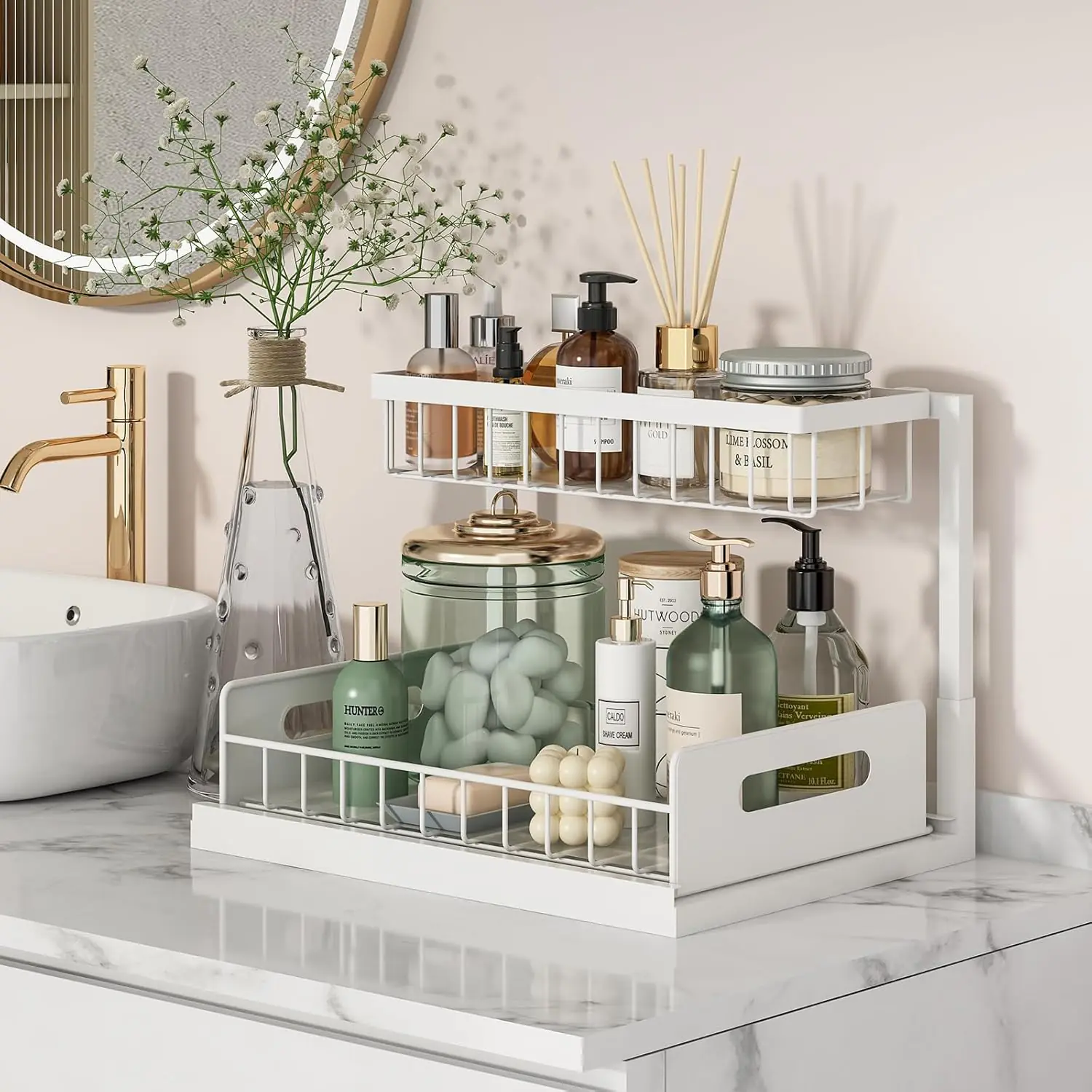
1.Introduction In the world of e-commerce, dropshipping, or retail brick-and-mortar stores, finding a winning product is only half the battle. The other, often more crucial half, is securing a reliable supply chain. For home organization products, particularly bathroom organizers, China remains the undisputed global manufacturing hub. It offers unparalleled advantages in cost-efficiency, production capacity, and customization. However, navigating the vast landscape of manufacturers can be daunting, riddled with challenges like language barriers, quality inconsistencies, and communication hurdles. This ultimate guide is designed to be your roadmap. We will walk you through a meticulous, step-by-step process on how to identify, vet, and build a successful long-term partnership with top-tier Bathroom Organizers Suppliers in China. 2.Laying the Groundwork: Defining Your Sourcing Needs and Specifications Before you even begin your search, you must have absolute clarity about what you need. Rushing to contact suppliers without a clear plan is a recipe for miscommunication
Clear Cleaning Brush Manufacturing – 10 Aspects
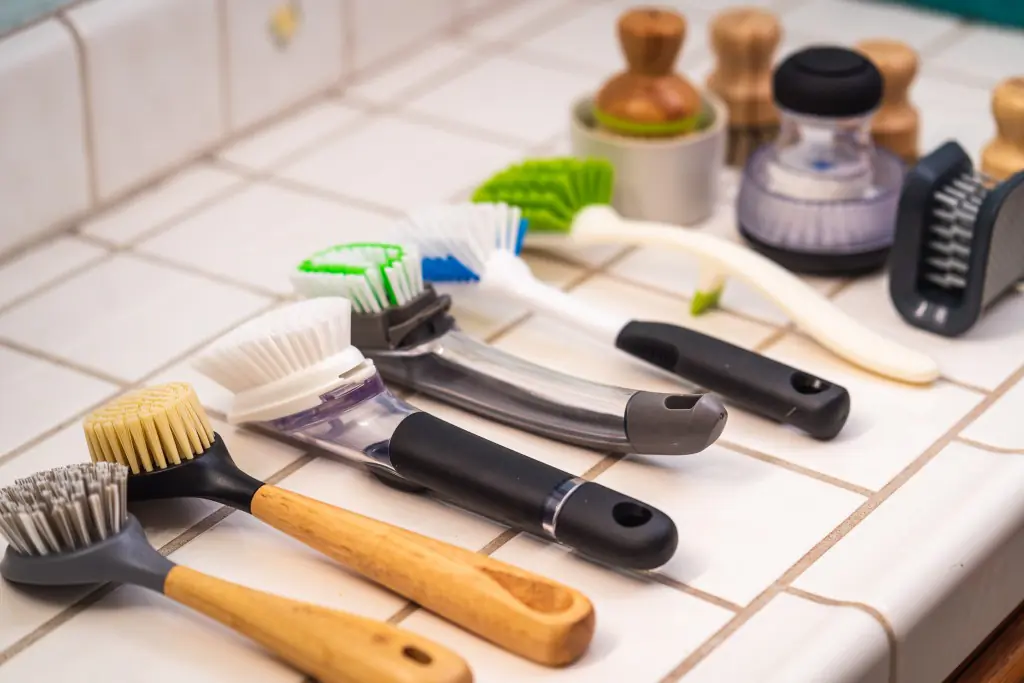
1. Introduction Cleaning brushes are a widely used tool for daily use and industrial applications. From household cleaning in the kitchen and bathroom to industrial dust removal in the manufacturing workshop and even in the medical and personal care sectors, cleaning brushes, with their simple structure, affordable cost, and intuitive results, have become a vital component of the global manufacturing and consumer goods supply chains. However, many startup manufacturers or procurement and product managers new to the industry often focus solely on the final appearance or price of a brush, lacking a systematic understanding of the underlying production processes, key parameters, and quality control. This knowledge gap can lead to insufficient product performance, increased compliance risks, and even supply chain instability. This article aims to help readers fully understand the process of cleaning brush manufacturing . Focusing on a “process guide,” the article will cover the process from understanding product structure,
Yiwu vs Guangzhou – Which Pet Product Wholesale Market Is Best for Buyers?
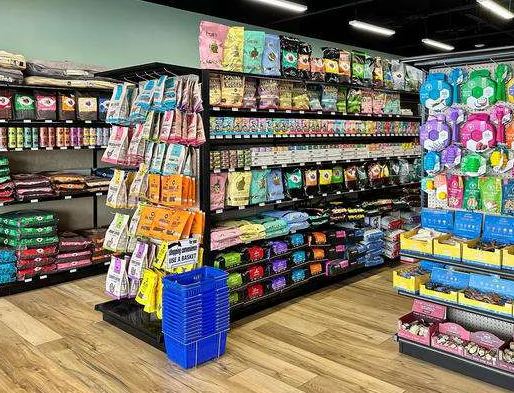
For global B2B buyers sourcing pet product wholesale, China remains the top destination—and two cities dominate the trade: Yiwu and Guangzhou. Both markets offer extensive product ranges, competitive pricing, and strong export capabilities, but they cater to different buyer needs. Yiwu excels in mass-market pet supplies with ultra-low MOQs, while Guangzhou specializes in premium, design-driven pet products with strong OEM/ODM support. This in-depth comparison breaks down the strengths of each market, helping pet product wholesale buyers decide where to source based on business needs—whether prioritizing cost efficiency, customization, or trend-driven inventory. 1. Why China Dominates Pet Product Wholesale Markets 1.1 Scale, Cost Efficiency, and Manufacturing Expertise China supplies over 70% of global pet products, thanks to its vertically integrated supply chains, low production costs, and rapid prototyping capabilities13. Key advantages include: 1.2 What Buyers Should Look for in a Pet Product Wholesale Supplier When evaluating suppliers, consider:✔ Certifications (ISO 9001, CE, BSCI) – Ensures quality and compliance.✔ MOQ flexibility – Some Yiwu suppliers
Top 8 Christmas Decoration Suppliers from China for 2025 Season help you expand business
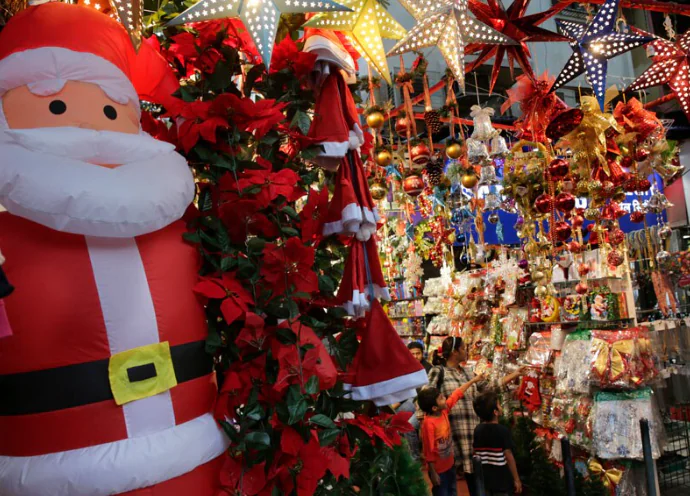
In the fast-growing global Christmas décor market, sourcing from the right suppliers is crucial for B2B buyers looking to stock high-quality, cost-effective, and trend-aligned products. China remains the world’s leading manufacturing hub for festive decorations, offering unmatched variety, competitive pricing, and scalable production. Whether you need wholesale artificial Christmas trees, LED lights, or bespoke ornaments, partnering with the best Christmas decoration suppliers from China ensures timely deliveries, customization options, and compliance with international standards. This comprehensive guide explores the top 8 Chinese suppliers for the 2025 season, analyzes key sourcing considerations, and provides actionable tips for building long-term supplier relationships. From OEM capabilities to logistics efficiency, we break down what makes these manufacturers stand out in a competitive market. 1. Why Sourcing Christmas Decorations from China is a Smart Move 1.1 Cost Efficiency, Scalability, and Manufacturing Expertise China dominates the Christmas decoration industry due to its vertically integrated supply chains, skilled labor, and economies of
Top 10 Pet Toy Manufacturers in China for Wholesale
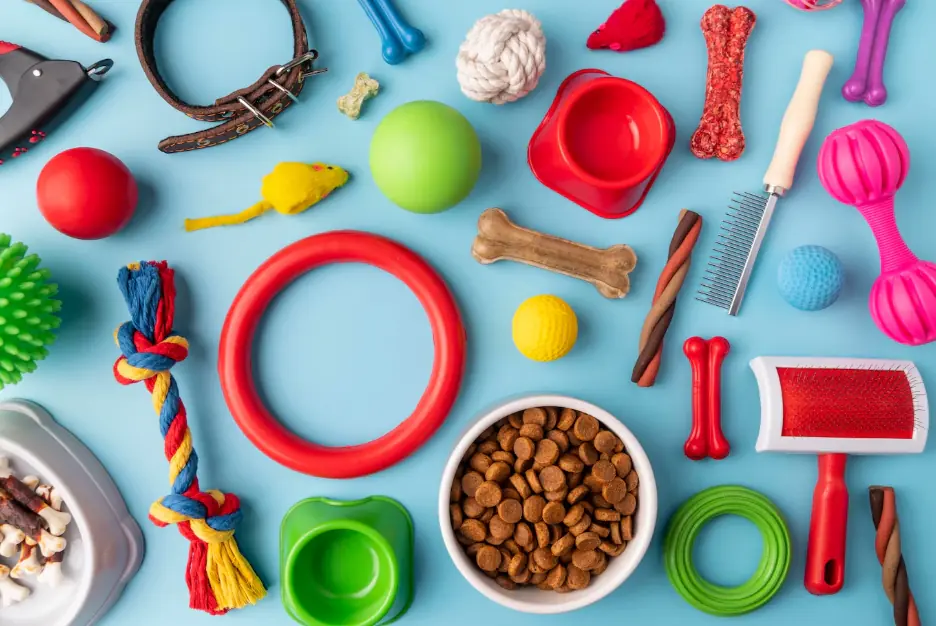
The global pet industry is booming—and so is the demand for safe, durable, and innovative pet toys. As more retailers, eCommerce sellers, and distributors seek to tap into this growing market, sourcing high-quality products at competitive prices becomes essential. China, as the world’s leading manufacturing hub, offers an abundance of pet toy suppliers capable of delivering both OEM and ODM solutions at scale. This guide presents the Top 10 Pet Toy Manufacturers in China for wholesale buyers, along with detailed insights into their capabilities, certifications, and product specializations. Whether you’re sourcing chew toys for dogs, interactive cat toys, or eco-friendly pet products, this article will help you find the right Pet Toy Manufacturer to meet your business needs. 1. Why Source Pet Toys from China? China accounts for a large percentage of the world’s pet toy production, thanks to its mature supply chain, skilled labor force, and specialization in plastics,
Best Sourcing Agent For Plastic Toys Manufacturer in China
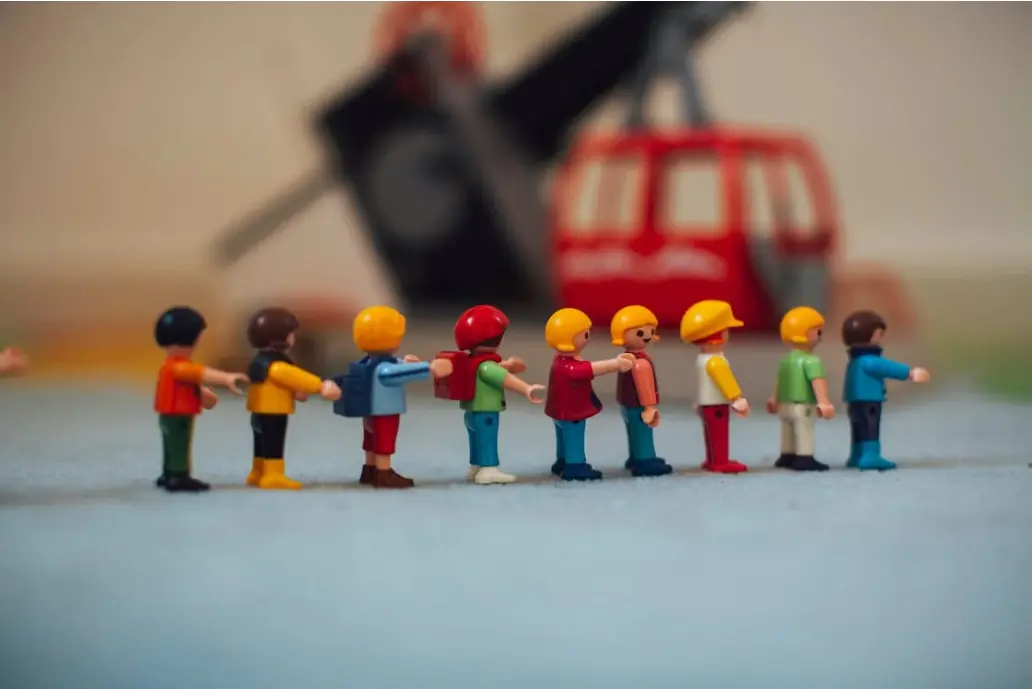
In today’s increasingly globalized economy, sourcing plastic toys from reliable, cost-effective manufacturers is a strategic move for B2B buyers in the toy, promotional product, and gift industries. Plastic toys remain a staple across nearly every demographic, from infant sensory play products to collectible action figures for teens and even novelty giveaways for adults. As environmental concerns and safety regulations intensify, companies must strike a balance between affordability, scalability, and compliance when choosing manufacturing partners. Asia, especially countries like China, Vietnam, India, and Indonesia, has maintained dominance in the plastic toy industry due to its well-developed infrastructure, advanced tooling technology, and high-volume production capabilities. Whether you’re launching a new toy brand, supplying retail chains, or stocking your distribution center, working with a trusted Plastic Toys Manufacturer in Asia can give your business a critical edge in cost, speed, and innovation. This comprehensive guide will equip you with everything you need to