The China Import and Export Fair, also known as the Canton Fair, is the largest trade event in China, attracting thousands of international buyers every year. From sourcing products to building supplier relationships, the fair offers unparalleled opportunities for global importers.
This guide is designed to help first-time and experienced buyers alike. You’ll learn everything from Canton Fair phases, hotels, transportation, and restaurants, to supplier verification, sourcing strategies, and tips for maximizing your visit.
Whether you’re planning a short trip or a full sourcing mission, this ultimate guide ensures you save time, reduce risks, and make the most of your Canton Fair experience.
1.What is the Canton Fair?
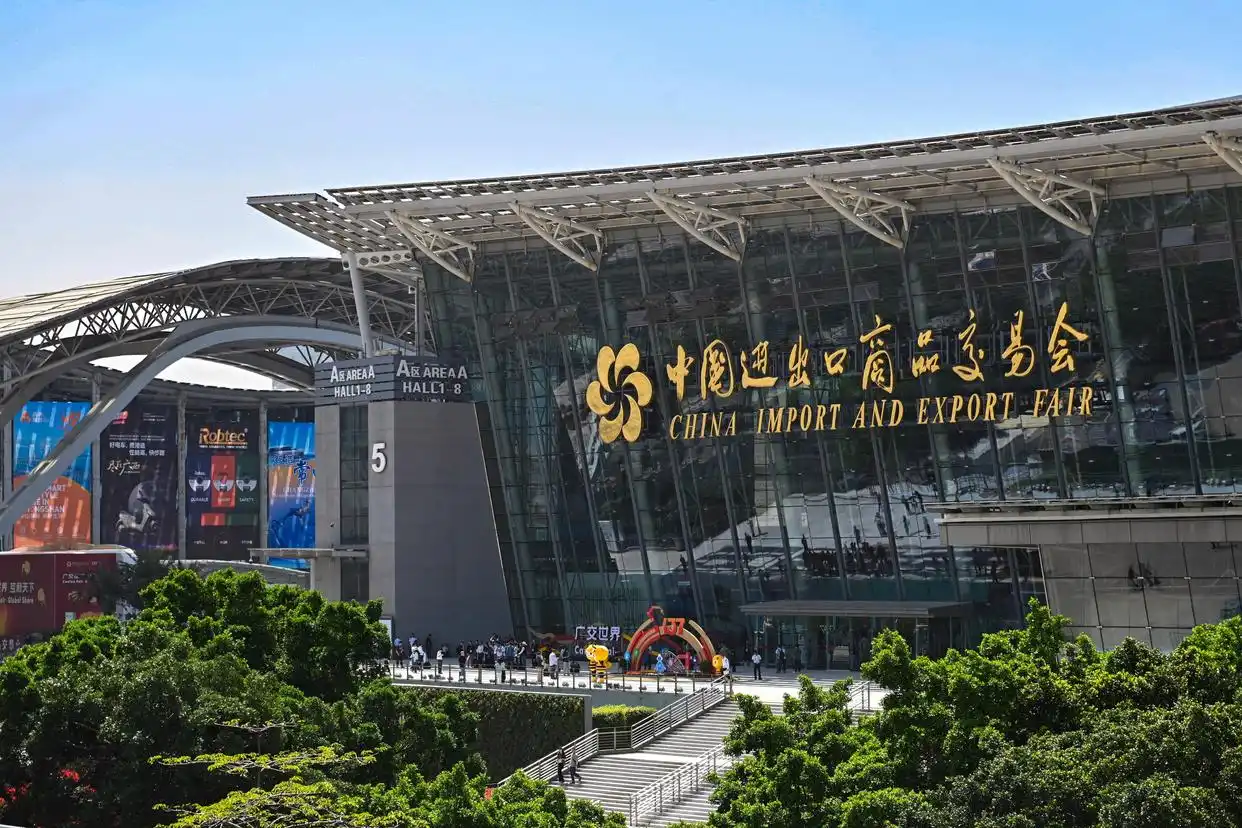
The Canton Fair, officially known as the China Import and Export Fair, is the largest and most influential trade show in China. Held twice a year in Guangzhou, it connects thousands of Chinese manufacturers with global buyers across a wide range of industries.
Established in 1957, the Canton Fair has become a key gateway for international trade, especially for importers looking to source products directly from factories. The event takes place at the China Import and Export Fair Complex, one of the largest exhibition centers in the world.
The fair is divided into three phases, each focusing on different product categories such as electronics, home goods, textiles, and consumer products. This structured setup allows buyers to efficiently plan their visit based on their sourcing needs.
👉 In short, the Canton Fair is not just a trade show — it is a global sourcing hub where supply chains begin.
2.Why Global Buyers Attend the Canton Fair
For international buyers, attending the Canton Fair is one of the most effective ways to explore new products, evaluate suppliers, and stay ahead in competitive markets. Here’s why it remains a top choice for importers worldwide:
① Direct Access to Manufacturers
Unlike online platforms, the Canton Fair allows you to meet suppliers face-to-face. This helps you verify credibility, discuss customization, and build long-term business relationships.
② Massive Product Variety
From electronics and home appliances to textiles and daily-use goods, the fair covers thousands of categories. Whether you are a wholesaler, retailer, or Amazon seller, you can discover new product opportunities in one place.
③ Better Pricing & Negotiation
Meeting suppliers in person gives you stronger bargaining power. You can compare multiple vendors, negotiate MOQ, and often secure better pricing than online sourcing.
④ Evaluate Quality On-site
One of the biggest advantages is the ability to physically inspect product samples. This reduces sourcing risks and helps ensure product quality before placing bulk orders.
⑤ Discover Trends Before Competitors
The Canton Fair is where many manufacturers showcase their latest designs and innovations. Attending the event allows buyers to identify trends early and stay competitive in their markets.
⑥ Build a Reliable Supply Chain
Beyond individual deals, the fair helps you develop a stable supplier network. This is especially important for long-term sourcing and scaling your business.
👉 For serious importers, the Canton Fair is not just a sourcing trip — it’s a strategic investment in building a competitive supply chain.
3.Canton Fair Phases Explained
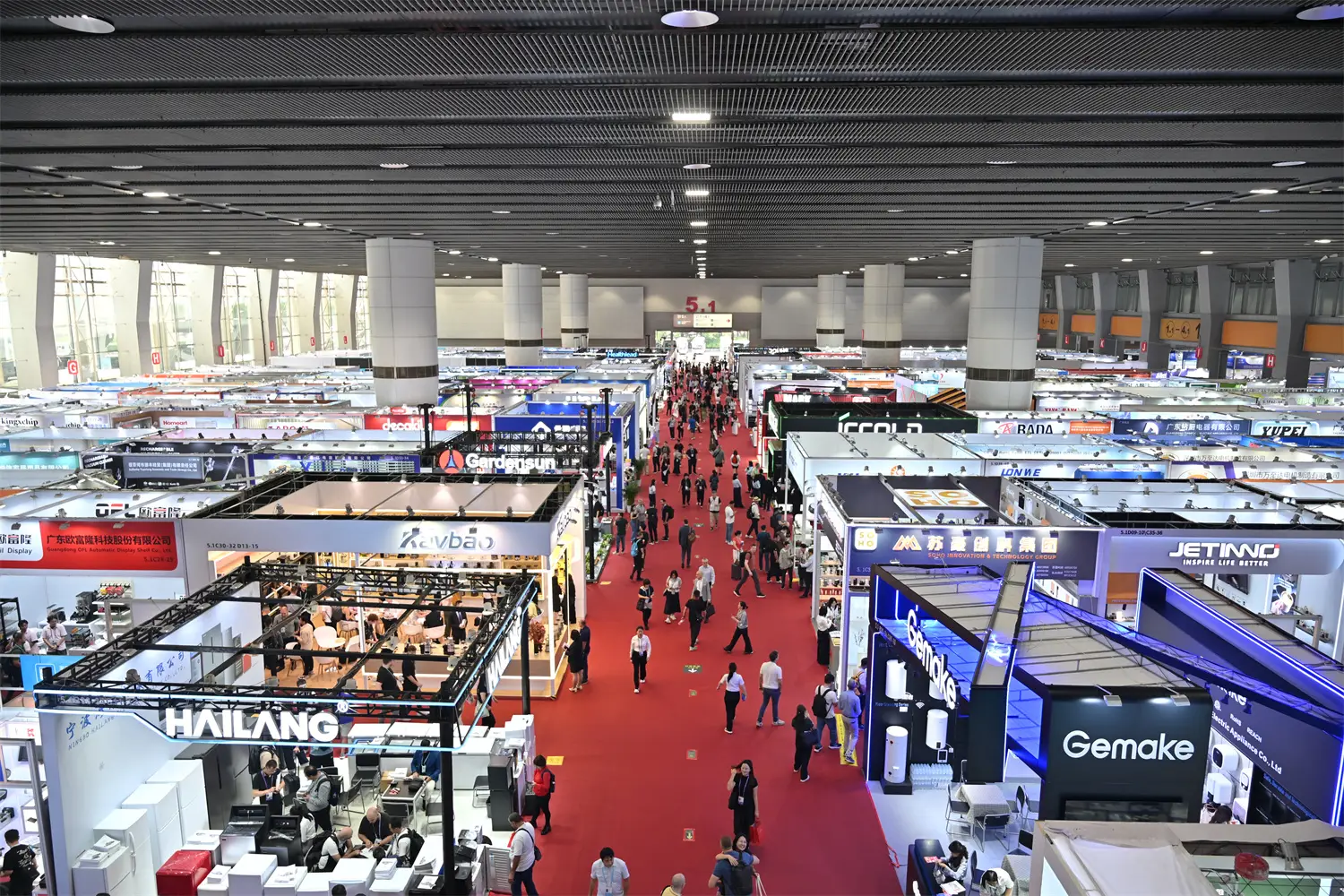
The China Import and Export Fair (Canton Fair) is divided into three phases, each focusing on different product categories. Understanding these phases is essential for planning an efficient sourcing trip and avoiding wasted time.
Phase 1: Electronics, Machinery & Industrial Products
Focus: High-tech and heavy industry
This phase is ideal for buyers sourcing:
- Consumer electronics
- Home appliances
- Lighting equipment
- Machinery and hardware
- Building materials
👉 If your business involves electronics or large-scale industrial products, Phase 1 is usually the most valuable.
Phase 2: Home Goods, Gifts & Decorations
Focus: Daily-use and lifestyle products
In this phase, you’ll find:
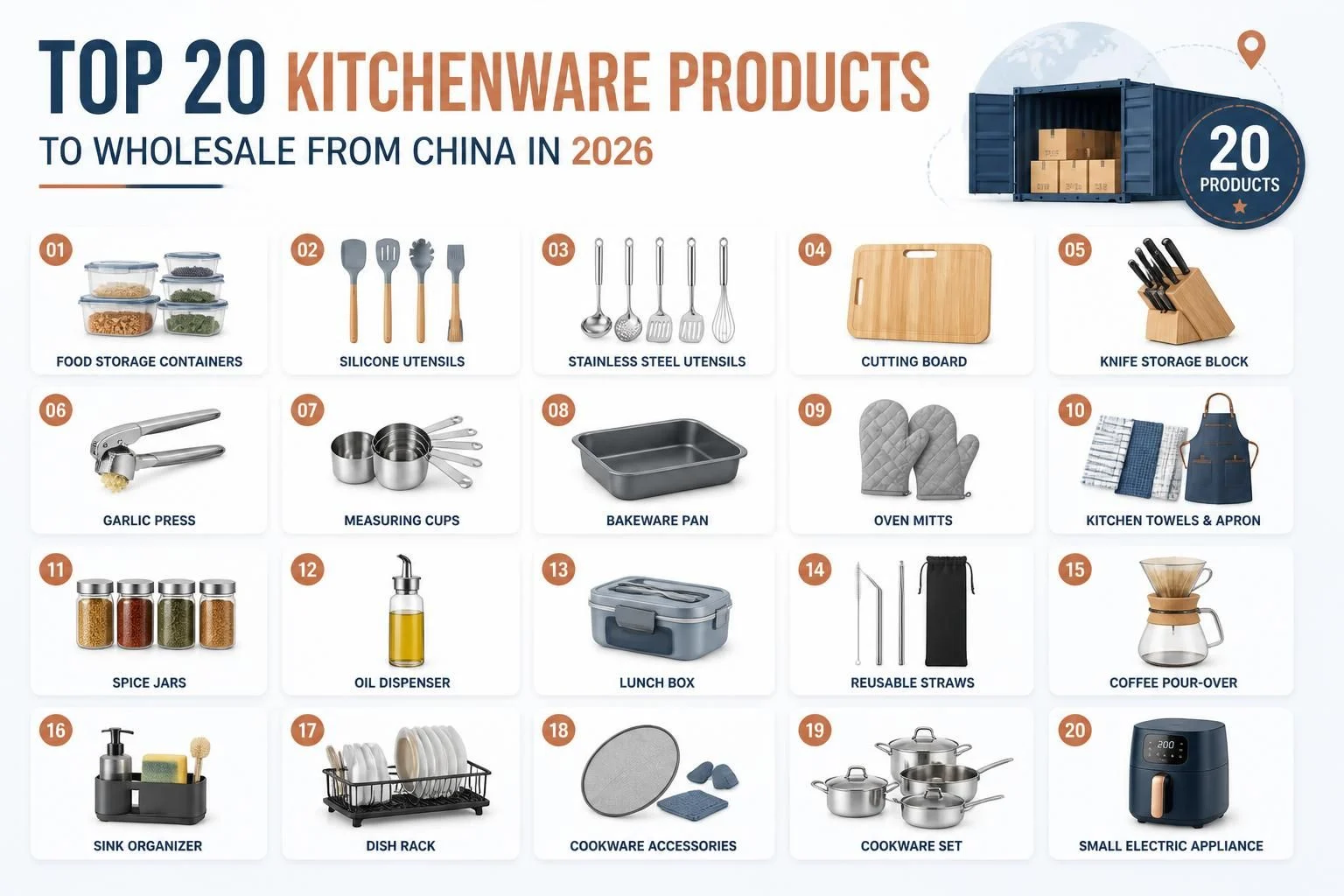
- Kitchenware and household items
- Ceramics and glassware
- Gifts, premium items, and decorations
- Furniture and home décor
👉 This phase is especially popular among wholesalers, retailers, and sourcing agents looking for trending consumer goods.
Phase 3: Textiles, Fashion & Health Products
Focus: Apparel and personal use products
This phase covers:
- Clothing and fashion accessories
- Shoes, bags, and textiles
- Office supplies
- Health and personal care products
👉 If you are in fashion, beauty, or fast-moving consumer goods, Phase 3 offers the most relevant suppliers.
How to Choose the Right Phase
Choosing the wrong phase is one of the most common mistakes first-time buyers make. To maximize your results:
- Identify your product category in advance
- Match it with the correct phase
- Plan at least 2–3 full days per phase
- Avoid trying to cover all phases in one trip unless necessary
👉 Instead of guessing, you can check our detailed breakdown here:
Canton Fair Phases Guide (with full product lists, dates, and planning tips)
💡 Pro Tip:
Many experienced buyers combine attending the Canton Fair with visiting factories or sourcing markets (like Yiwu) to get a complete supply chain view.
4.How to Plan Your Canton Fair Trip
Planning your visit to the China Import and Export Fair requires more than just booking a flight. A well-organized trip can significantly improve your sourcing efficiency and help you avoid common mistakes.
Here’s a step-by-step guide to help you prepare like an experienced buyer:
Visa & Entry Requirements
Most international visitors need a Chinese visa to attend the Canton Fair. You can apply through a Chinese embassy or consulate in your country.
In many cases, buyers can request an official invitation letter from the Canton Fair organizers, which may help simplify the visa process.
👉 Tip: Apply at least 3–4 weeks in advance to avoid delays.
Canton Fair Registration Process
To enter the fair, you need a buyer badge. There are two main ways to register:
- Pre-registration online (recommended)
- On-site registration at the fair complex
Returning buyers can usually use their previous badges, while new visitors must complete registration with a passport and business card.
👉 Pre-registration helps you skip long queues and get faster access.
Best Time to Visit
The Canton Fair is held twice a year:
- Spring Session (April–May)
- Autumn Session (October–November)
Each session is divided into three phases, so timing your visit based on your product category is crucial.
👉 For most buyers, staying 5–7 days is ideal to cover meetings, product sourcing, and follow-ups.
How Many Days Do You Need?
Your schedule depends on your sourcing goals:
- Single category buyers: 2–3 days
- Multiple categories: 5–7 days
- Full sourcing + factory visits: 7–10 days
Avoid rushing — the Canton Fair is huge, and effective sourcing takes time.
What to Prepare Before You Go
To maximize your results, prepare the following:
- A clear product list
- Target price range
- Supplier questions (MOQ, lead time, customization)
- Business cards
- A note-taking system (or sourcing app)
👉 Professional buyers often prepare a shortlist of suppliers in advance to save time onsite.
Pro Tip: Combine Canton Fair with Local Sourcing
Many experienced importers don’t rely on the fair alone. They also:
- Visit factories for deeper verification
- Explore wholesale markets like Yiwu
- Work with sourcing agents to manage suppliers
👉 This approach helps reduce risks and build a more stable supply chain.
5.Where to Stay During Canton Fair
Choosing the right place to stay during the China Import and Export Fair can greatly impact your overall experience. With thousands of buyers visiting Guangzhou during the fair, hotels fill up quickly — and location matters more than price.

Best Areas to Stay
Instead of just picking a hotel randomly, experienced buyers focus on location efficiency. Here are the top areas to consider:
Near Pazhou (Best for Convenience)
Staying near the China Import and Export Fair Complex is the most convenient option.
Pros:
- Walking distance or short commute
- Saves time and energy
- Ideal for short business trips
Cons:
- Higher prices during the fair
- Limited dining and entertainment options
👉 Best for: Buyers with tight schedules
Tianhe District (Best Overall Choice)
Tianhe District is the most popular area for international buyers.
Pros:
- Wide range of hotels (from budget to luxury)
- Close to shopping malls and restaurants
- Easy metro access to the fair
Cons:
- 30–40 minutes commute during peak hours
👉 Best for: Most buyers (balance of comfort + convenience)
Haizhu District (Good Value Option)
Haizhu District offers a good balance between price and proximity.
Pros:
- More affordable than Pazhou
- Relatively close to the exhibition complex
👉 Best for: Buyers looking for cost-effective options
When to Book Your Hotel
Hotels in Guangzhou are in extremely high demand during the Canton Fair.
👉 It’s strongly recommended to:
- Book at least 3–4 weeks in advance
- Choose flexible cancellation options
- Confirm shuttle or metro access
What to Consider When Choosing a Hotel
Before booking, check:
- Distance to the exhibition complex
- Metro line access (Line 8 is key)
- Availability of shuttle buses
- Breakfast and business facilities
- Reliable Wi-Fi (important for work)
Should You Choose Hotels Recommended by Agents?
Many sourcing agents or service providers offer hotel recommendations or packages that include:
- Airport pickup
- Daily shuttle to the fair
- Translation or sourcing support
👉 For first-time buyers, this can simplify the entire trip and reduce logistical stress.
👉 For detailed hotel recommendations (by budget, location, and buyer type), check our full guide:Canton Fair Hotels Guide
6.Transportation Guide for Canton Fair Buyers
Getting around Guangzhou during the China Import and Export Fair can be challenging, especially during peak exhibition periods. With heavy traffic and large crowds, choosing the right transportation method is essential for saving time and staying efficient.
From the Airport to Your Hotel
Most international buyers arrive at Guangzhou Baiyun International Airport, located about 40–50 km from the city center.
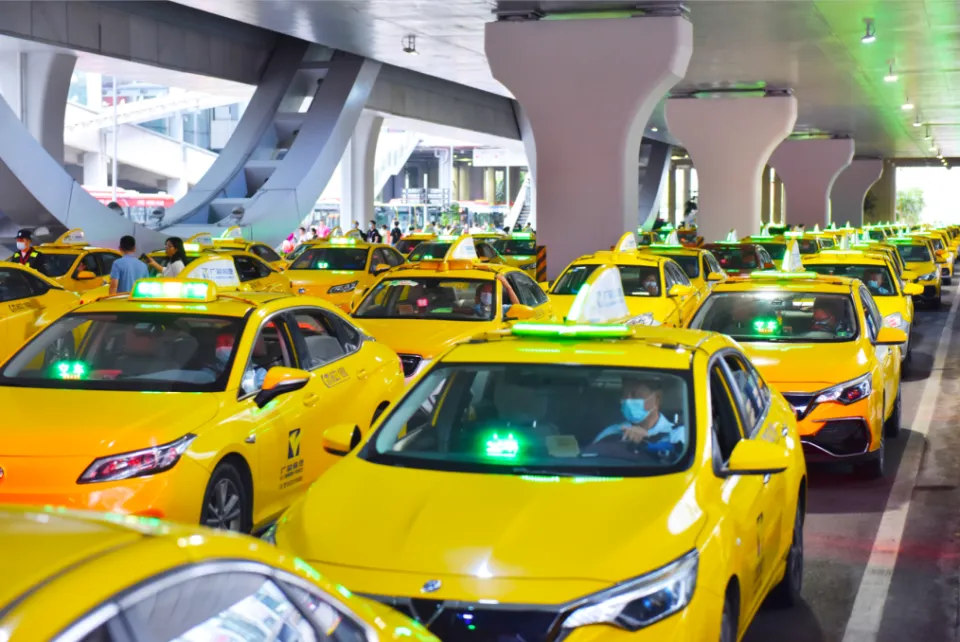
🚖 Taxi / Ride-Hailing (Recommended)
- Travel time: 40–60 minutes
- Cost: Moderate
- Best for: First-time visitors or travelers with luggage
👉 Tip: Use ride-hailing apps like DiDi for easier communication and transparent pricing.
🚇 Metro (Budget-Friendly)
- Take Line 3 from the airport → transfer to Line 8 (Pazhou direction)
- Travel time: 60–90 minutes
👉 Best for: Budget travelers with light luggage
Getting to the Canton Fair Complex
The exhibition venue, China Import and Export Fair Complex, is well connected by public transport.
🚇 Metro (Most Efficient Option)
- Line 8 is the main route
- Key stations: Pazhou Station / Xingangdong Station
👉 Fast, affordable, and avoids traffic congestion
🚌 Shuttle Buses
Many hotels provide free shuttle buses to the fair during exhibition days.
👉 Check with your hotel in advance — this can save both time and money.
🚖 Taxi / Ride-Hailing
- Convenient but slower during peak hours
- Traffic congestion near the fair is common
👉 Best used outside rush hours
Daily Transportation Tips
To move efficiently during the Canton Fair:
- Leave early (before 9:00 AM) to avoid crowds
- Use metro during peak hours
- Save your hotel address in Chinese for taxi drivers
- Plan your return trip in advance
Should You Arrange Private Transportation?
For many international buyers — especially first-time visitors — arranging private transportation can make the trip much smoother.
Typical services include:
- Airport pickup and drop-off
- Daily hotel ↔ fair transfers
- Business trip coordination
👉 This is particularly useful if:
- You have a tight schedule
- You are traveling with a team
- You want a more comfortable, stress-free experience
👉 For more detailed routes, metro maps, and transportation comparisons, check:Canton Fair Transportation Guide
7.Best Restaurants Near Canton Fair
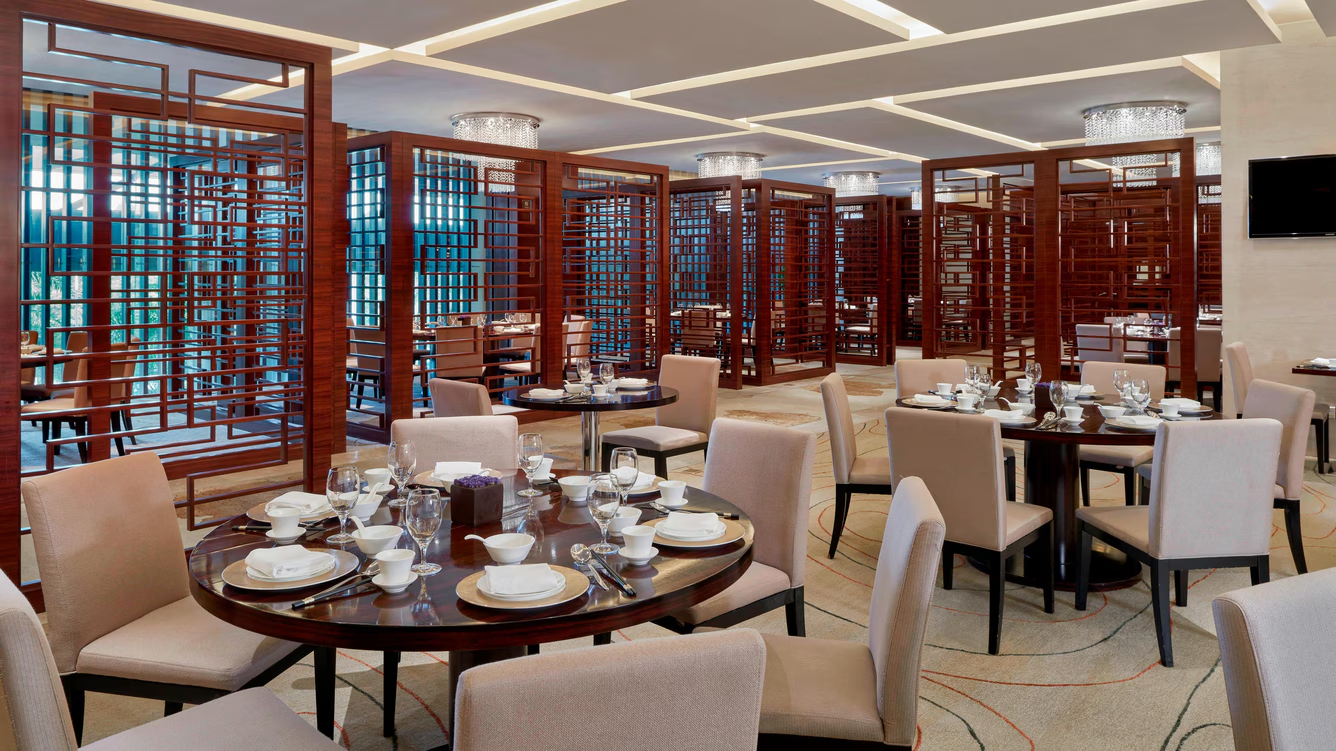
Finding the right place to eat during the China Import and Export Fair can make your trip more comfortable and enjoyable. Guangzhou is famous for its rich culinary culture, from authentic Cantonese cuisine to international options. Here’s how buyers typically choose where to dine.
Chinese & Cantonese Restaurants
Cantonese cuisine is a must-try in Guangzhou, especially for international buyers visiting the fair.
Recommended types:
- Dim sum restaurants
- Seafood restaurants
- Local casual dining
Pro Tip:
Try restaurants near Pazhou Complex or Tianhe district for short travel time between meetings.
Western & International Options
For buyers who prefer familiar flavors or quick meals:
- Italian / Pizza
- Fast-casual Western chains
- Coffee shops and bakeries
Pro Tip:
These are usually concentrated in Tianhe District, where most business hotels are located.
Halal & Middle Eastern Restaurants
Many international visitors require Halal options. Guangzhou has a growing number of certified Halal restaurants.
- Middle Eastern cuisine
- Halal Chinese dishes
- Vegetarian-friendly options
Pro Tip:
Check with your hotel concierge or sourcing agent for verified Halal restaurants near your hotel or the fair.
Quick Tips for Dining During the Fair
Book in advance if you want a table at popular spots
Check operating hours — some local restaurants close mid-afternoon
Consider delivery apps for convenience if your schedule is tight
Stay near your hotel or the exhibition hall to save commuting time
👉 For a detailed list of top restaurants categorized by cuisine and proximity, check our full guide:
Recommended Restaurants Near Canton Fair
💡 Insider Insight:
Many experienced buyers combine their meals with informal supplier meetings. Choosing the right restaurant can help you network while enjoying local cuisine.
8.Buyer Tips for First-Time Canton Fair Visitors
Attending the China Import and Export Fair can be overwhelming. Here are key tips to make your visit efficient:
① Plan Around Phases
Check which phase covers your target products.
🔗 See Canton Fair Phases Guide for details.
② Pre-Research Suppliers
Shortlist suppliers, check certifications, and note MOQ.
🔗 See Supplier Verification Guide.
③ Bring Essentials
Passport, business cards, product lists, and translation tools.
④ Optimize Meetings
Discuss MOQ, lead time, customization, and inspect samples.
⑤ Use Technology
Fair apps and digital catalogs help navigate efficiently.
⑥ Rest & Stay Hydrated
Walk long distances daily — plan meals and breaks.
⑦ Consider a Sourcing Agent
Agents can help with appointments, translations, negotiations, and logistics.
🔗 Learn more: Yiwu Agent & Sourcing Services
💡 Tip: Treat the Canton Fair as a strategic sourcing opportunity, not just a shopping trip.
9.How to Find Reliable Suppliers at Canton Fair
Finding reliable suppliers is key to successful sourcing at the China Import and Export Fair. Here’s how to verify suppliers efficiently:
① Check Company Credentials
Look for:
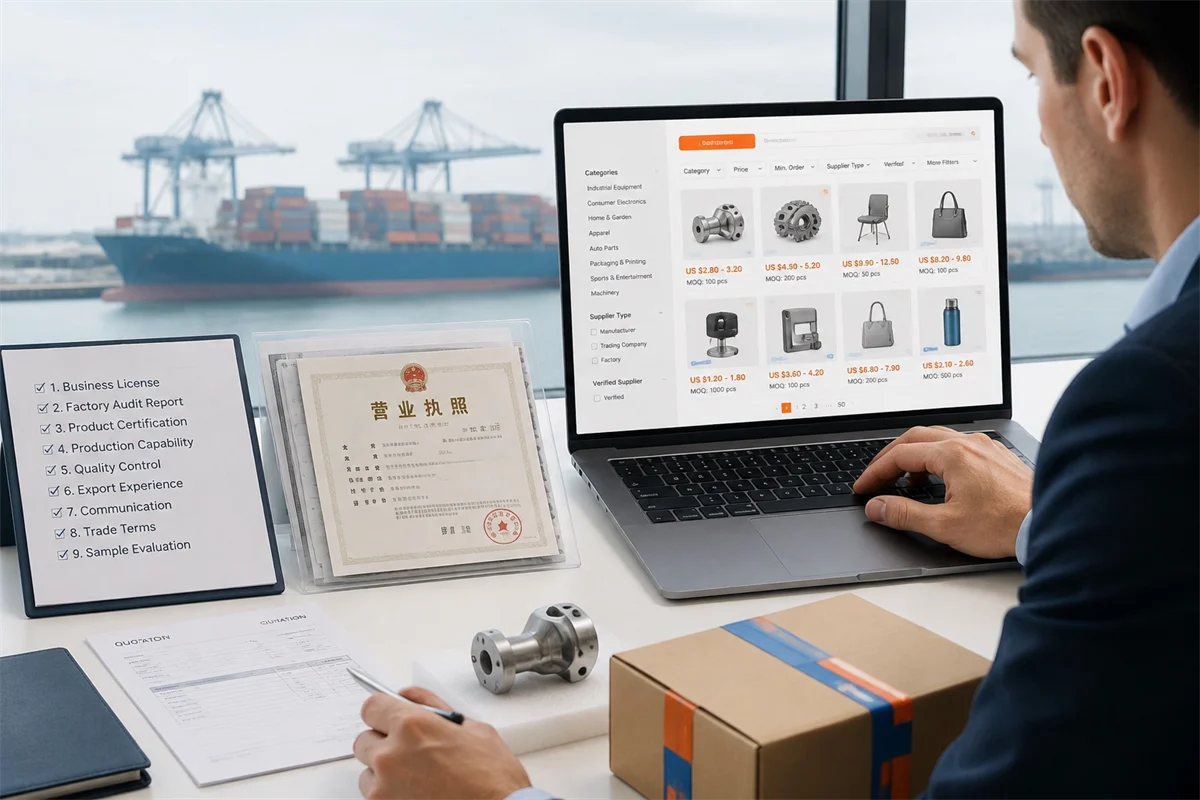
- Business license
- Export certificates
- Factory photos or videos
🔗 Related Guide: Supplier Verification Guide
② Inspect Products On-Site
- Examine samples carefully
- Test quality, durability, and packaging
- Compare multiple suppliers before deciding
③ Ask Key Questions
- Minimum order quantity (MOQ)
- Lead time & production capacity
- Customization options & certifications
④ Use Technology & References
- Check online reviews or B2B platforms
- Ask for client references and previous export experience
⑤ Consider Professional Support
- Working with a sourcing agent can help:
- Pre-screen suppliers
- Arrange verified factory visits
- Assist with communication & negotiation
🔗 Learn more: Yiwu Agent & Sourcing Services
💡 Tip: Even at the fair, shortlisting and verifying suppliers before placing large orders reduces risk and ensures reliable long-term partnerships.
9.FAQs About Canton Fair
Q1.Do I need an invitation to attend the China Import and Export Fair?
Yes. First-time visitors usually need an invitation letter to apply for a Chinese visa. It can be requested during registration or through service providers.
Q2.Is the Canton Fair worth attending?
Yes. It is one of the most efficient ways to meet suppliers, compare products, and explore new opportunities in one place.
Q3.Can I buy products directly at the fair?
Not typically. The Canton Fair is mainly for showcasing and order negotiation. Most deals are finalized after the event.
Q4.How many days should I spend at the fair?
It depends on your needs:
2–3 days for one product category
5–7 days for broader sourcing
Q5.Do suppliers speak English?
Many suppliers have basic English skills, but communication can still be challenging. A translator or sourcing agent can help.
Q6.What should I bring to the Canton Fair?
Bring your passport, business cards, product requirements, and a clear sourcing plan to stay efficient.
Conclusion
The China Import and Export Fair is more than just a trade show — it’s a powerful platform for building your global supply chain. With the right planning, clear sourcing goals, and effective supplier communication, you can maximize every visit.
From understanding phases and choosing the right hotel to verifying suppliers and managing logistics, preparation is the key to success.
Ready to Source Smarter?Whether you’re a first-time buyer or an experienced importer, having the right strategy — and the right support — can make all the right support — can make all the difference.
Contact us today to discuss your sourcing needs and get professional support.

Tennie Chen is responsible for sourcing and supplier evaluation, with a focus on balancing product quality, cost efficiency, and supply chain reliability. My role involves identifying trustworthy manufacturers, comparing quotations, analyzing total landed costs, and ensuring compliance with international standards. I always prioritize long-term partnerships over one-time deals, aiming to work with suppliers who can provide consistent quality, competitive pricing, and flexible solutions. When making purchasing decisions, I evaluate not only the product itself but also the supplier’s production capacity, lead time, and after-sales support, ensuring that every cooperation contributes to sustainable business growth.