The Latin American market presents a unique set of opportunities and challenges for international sellers. While the region is vast, ranging from the southern border of the United States down to Patagonia, the logistics, tariffs, and consumer trends often operate differently than in North America or Europe. For buyers looking to understand the heart of the Hispanic consumer market, few events are as critical as Expo Hogar Mexico.
Often overshadowed by its massive cousin in Frankfurt or the glitz of Las Vegas trade shows, Expo Hogar holds a distinct position as the gateway to the Spanish-speaking consumer. It is not merely a display of products; it is a barometer of economic trends, distribution capabilities, and design preferences specific to Mexico and beyond. This guide will explore why this trade show is a non-negotiable stop for serious Latin American buyers and how to maximize your ROI when attending.
1. What Is Expo Hogar
For those new to the international trade circuit, identifying the right show is often more difficult than negotiating the actual purchase orders. Expo Hogar stands out because it specifically bridges the gap between “household” necessity and “gift” aesthetics, tailored for the Latin American palate.
1.1 Overview of the Mexico Trade Show
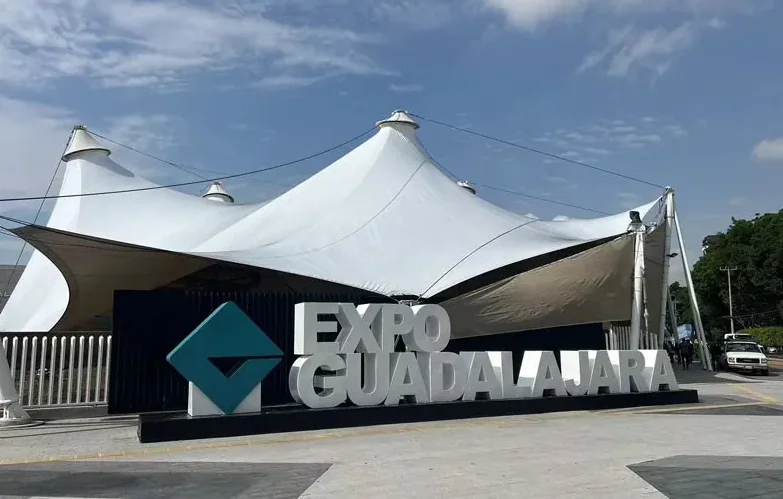
Expo Hogar is a premier annual B2B trade show held in Mexico, typically in major industrial hubs like Guadalajara or Mexico City, designed to showcase the latest trends in housewares, gifts, and home decor. Unlike generalist trade events, Expo Hogar is highly curated. The organizers focus on creating an environment where international exhibitors—particularly from Asia, the US, and Europe—can connect directly with Mexican and Central American retailers.
The atmosphere is distinctly business-forward. While American trade shows can often feel like networking cocktail parties, Expo Hogar is transactional. Buyers arrive with budgets, catalogs, and a clear understanding of their shelf capacity. The show serves as the launchpad for the “Holiday Season” and “Three Kings’ Day” (Día de Reyes) inventory cycles, which are crucial revenue periods for Mexican retailers.
1.2 Regional Influence
To understand Expo Hogar, one must understand Mexico’s role as a manufacturing and distribution hub. Mexico is often viewed as the “bridge” between the English-speaking North and the Spanish-speaking South.
However, the influence of Expo Hogar extends far beyond the nation’s borders. Because of Mexico’s strong trade agreements (specifically the USMCA and various Latin American pacts), buyers from Colombia, Peru, Chile, and even Argentina regularly attend this show. Why? Because sourcing in Mexico is often cheaper and faster than sourcing directly from Asia for smaller to mid-sized retailers in Latin America.
Furthermore, the show respects the “doing business” culture of the region. In Latin America, business is personal. A contract signed after a three-minute conversation in a sterile booth in Chicago might hold less weight than a handshake over coffee in Guadalajara after discussing family. Expo Hogar facilitates this relational environment, which is often the missing piece in international sourcing strategies.
2. Product Categories
Diversity is the hallmark of Expo Hogar. However, unlike massive shows like Ambiente in Germany (which is heavily skewed towards high-end European design), Expo Hogar focuses on practical, mid-market, and high-turnover goods. The buying power here is concentrated in two primary sectors.
2.1 Household Goods
The “Hogar” (Home) segment is the engine of the show. Mexican households place a high value on the kitchen and the dining table as the center of family life. Consequently, the demand for durable, aesthetically pleasing household goods is relentless.
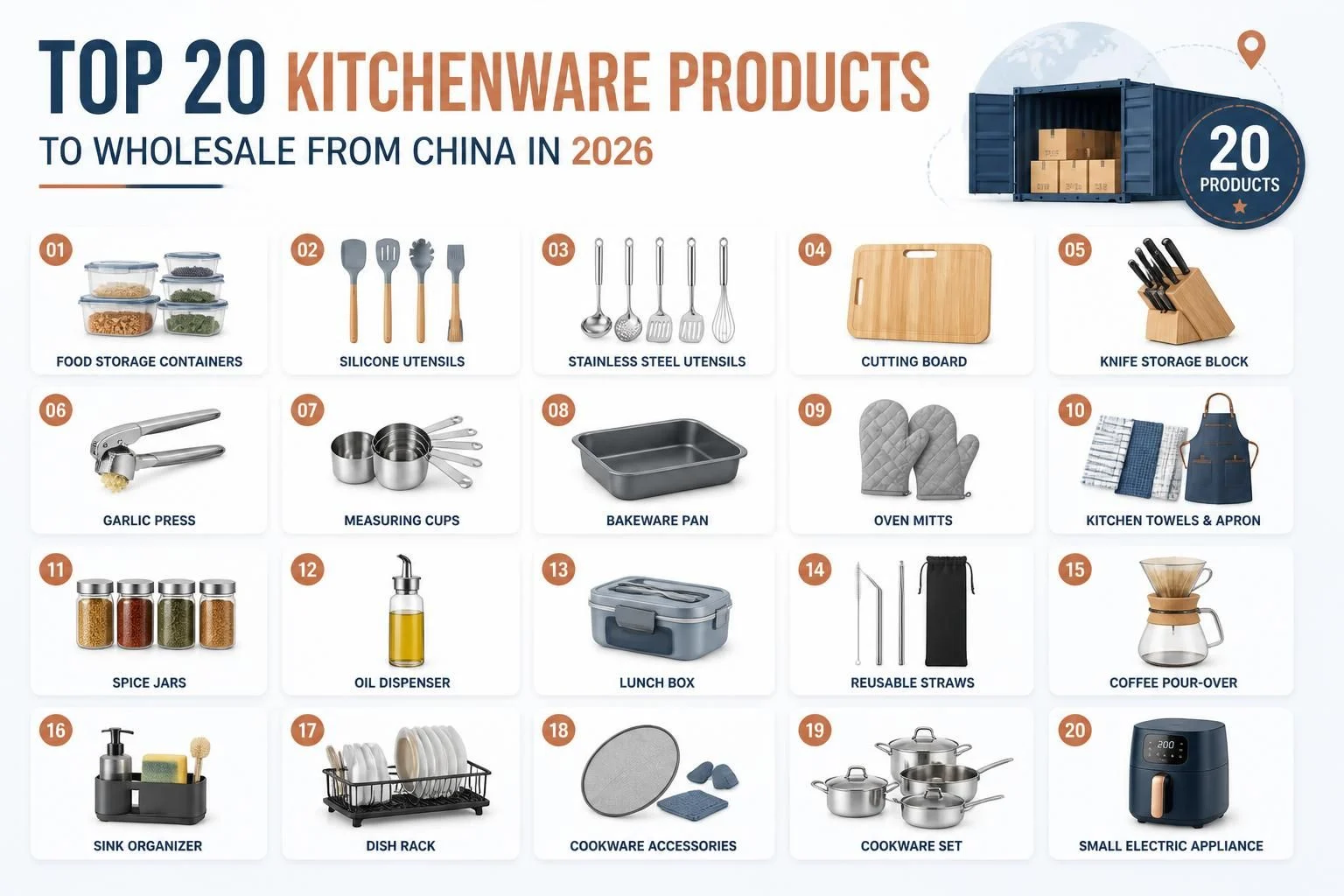
- Kitchenware and Cookware: Non-stick pans, pressure cookers, and traditional clay pot replicas (cazuelas) are perennial favorites. However, modern buyers are looking for innovation within tradition—think non-toxic coatings and ergonomic handles.
- Storage and Organization: As urban living densifies in cities like Mexico City and Monterrey, space-saving products are trending. Modular plastic containers, vacuum sealers, and stackable pantry organizers see high volume.
- Textiles and Bedding: Sheets, towels, and tablecloths must balance quality with price sensitivity. Buyers often look for “Pima cotton” alternatives or microfiber blends that offer softness without the luxury price tag.
- Cleaning Tools: Mops, buckets, brooms, and gloves. This category might seem mundane, but in the Latin American market, brand loyalty for cleaning tools is remarkably high. A good mop system can become a household name.
Exhibitors in this category usually dominate the floor space. For international sellers, if you can demonstrate that your product is “Mas resistente” (more resistant) or easier to clean, you will attract significant attention.
2.2 Seasonal and Gift Products
If Household Goods are the bread and butter, Seasonal items are the jam. Latin American buyers love to decorate. The “Gift” (Regalo) sector at Expo Hogar is less about wedding gifts (like fine china) and more about occasion-based mass consumption.
- Christmas (Navidad): This is the Super Bowl of seasonal goods. Mexican Christmas celebrations run from December 12th (Day of the Virgin of Guadalupe) to January 6th (Three Kings’ Day). Buyers are looking for nacimientos (nativity scenes), árboles de Navidad (trees), luces (lights), and intricate esferas (ornaments).
- Day of the Dead (Día de Muertos): While Halloween exists, Día de Muertos is a cultural juggernaut. Buyers seek calaveras (skulls), cempasúchil (marigold) artificial decor, and papel picado (perforated paper banners). This is a unique niche that foreign exhibitors often ignore, missing out on massive volume.
- Candle and Home Fragrance: Latin American consumers have a sophisticated appreciation for scent. Candles, incense, and reed diffusers are extremely popular, not just for ambiance but for religious and spiritual cleansing practices.
- Children’s Gifts: While not a pure toy show, many exhibitors bring small, affordable gift items for birthdays and “El Día del Niño” (Children’s Day on April 30th).
The key takeaway for the seasonal category is timing. The show typically happens early in the year, allowing buyers to lock in orders for the summer and winter holidays.
3. Market Coverage
One of the biggest mistakes international sellers make is treating “Mexico” as a single, isolated country. At Expo Hogar, the goal is not just to sell to Mexico, but to use Mexico as a base camp for regional expansion.
3.1 Mexico and Central America
The immediate market coverage includes Mexico’s 32 states, ranging from the industrial north (Nuevo León) to the Yucatán Peninsula. However, Expo Hogar specifically attracts distributors from Guatemala, El Salvador, Honduras, Nicaragua, and Costa Rica.
Why? Because shipping directly from Shanghai or Shenzhen to San José, Costa Rica, is expensive and logistically complicated due to port capacity issues. However, shipping from Shanghai to Manzanillo (Mexico) and then trucking down via a Mexican distributor is often the path of least resistance.
At the show, you will meet “regional distributors” who buy for the entire Central American isthmus. They are looking for exclusive rights to sell your products across six different countries. If you grant these rights, you effectively cover the entire region through a single point of contact.
3.2 US Southern Market
This is a strategic advantage of Expo Hogar that is often overlooked: the US Hispanic market, specifically the Southern United States (Texas, California, Arizona, New Mexico).
Buyers from the US border states frequently attend Expo Hogar. Why travel to Mexico when you can shop in Chicago or Atlanta? The answer is price point and authenticity.
Retailers in Texas serving predominantly Mexican-American communities need products that resonate culturally. They also need the “Mexico price,” not the “US wholesale price.” By sourcing at Expo Hogar, US buyers can bypass layers of US-based middlemen. They can buy the same nativity scene or comal (griddle) that is selling well in Puebla and stock it in their Dallas store immediately. The US Southern market acts as a natural extension of the Expo Hogar footprint.
4. Why It’s Strategic for Latin America
Expo Hogar is not just a trade show; it is a strategic asset. For the Latin American buyer, attending a show in the US or Europe involves expensive travel, visa hurdles, and often, frustration with products that don’t fit local voltage, sizing, or cultural tastes. Expo Hogar solves these problems.
4.1 Distribution Channels
The distribution ecology in Latin America is unique. Unlike the US where Amazon and Walmart dominate, much of Latin American retail is comprised of “tianguis” (open-air markets), family-owned department stores, and specialized ferreterías (hardware stores).
Expo Hogar is where these fragmented distribution channels consolidate. Walking the floor, you will see:
- Cash & Carry Buyers: Owners of big-box stores looking for pallets of plastic ware.
- Catalog Resellers: Avon-style representatives who sell home goods door-to-door or via social media.
- Institutional Buyers: Hotels and restaurants (the HORECA channel) looking for bulk glassware and linens.
By attending, you map the distribution network. You see who is buying what. If you are a manufacturer, you can identify which distributor has the trucking network to handle “Last Mile” delivery in the Sierra Madre mountains. If you are a retailer, you find new suppliers who understand that your store is on a dirt road and the boxes need to survive the transit.
4.2 Growing Demand
Despite global economic headwinds, Mexico’s middle class is expanding. Nearshoring (the relocation of supply chains closer to the US) is injecting billions into the Mexican economy, particularly in the Bajío region.
This economic growth translates to a “trading up” trend in consumer goods. Buyers at Expo Hogar are no longer just looking for the cheapest plastic bowl; they are looking for “value.” They want products that look like they belong in a Crate & Barrel but cost like they belong in a local market.
There is a specific hunger for:
- Sustainability: Eco-friendly bags, bamboo cutting boards, and recycled glass are gaining traction among younger Mexican consumers.
- Smart Value: Not “smart home” technology, but clever designs that solve specific problems (e.g., tortilla warmers that retain heat without steaming).
The demand is real, and the buyers at Expo Hogar are hungry for products that give them an edge over the established local brands.
5. Sourcing Tips
Walking into Expo Hogar without a strategy can be overwhelming. The energy is loud, the negotiations are intense, and the language barrier (even with translators) can lead to costly misunderstandings. Here is how to navigate it successfully.
5.1 Pricing Strategy
Pricing in Latin America is a psychology game. You cannot simply take your US wholesale price and convert it to Pesos.
- The “Volumen vs. Margen” Argument: Mexican buyers love volume. They will ask for “el precio de la caja” (the box price) and “el precio del camión” (the truckload price). You must have aggressive tiered pricing.
- Suggestion: Do not show your best price on day one. Mexican negotiation expects a back-and-forth. Start high, but always come with “regalitos” (little gifts or concessions) like extended payment terms or free shipping to the border.
- Currency Volatility: The Peso fluctuates. Smart contracts at Expo Hogar will include a currency clause. You might agree on a price in USD but pay in MXN, or vice versa. Ensure your pricing strategy protects your margins if the exchange rate moves 5-10% before the shipment arrives.
- The “Comisión” Factor: In many Latin American sales channels, intermediaries expect a commission (often 5-10%). If you are selling direct to a retailer who wants “exclusivity” in a region, factor their marketing costs into the price. If the price is too low, they won’t promote your product.
5.2 Local Partnerships
Do not try to go it alone. The single biggest mistake foreign exhibitors make is trying to manage Mexican logistics from their home office in Ohio or Shenzhen.
- The Customs Broker (Agente Aduanal): You need a hero, and their name is Agente Aduanal. Mexican customs (SAT) is notoriously strict about paperwork. If a product is labeled wrong or a commercial invoice is missing a stamp, your container sits at the port of Lázaro Cárdenas for weeks, accruing demurrage fees. Find a broker who attends Expo Hogar; they will be handling the logistics for the major buyers there.
- Storage (Almacenaje): Do you have a warehouse in Mexico? If not, partner with a distributor who does. “Cross-docking” (moving goods directly from receiving to shipping) is efficient, but holding inventory in Mexico requires security and insurance that can be expensive to set up alone.
- Legal: Mexican labor law and business law are complex. Have a local legal partner review your distribution agreements. “Exclusivity” contracts in Mexico have specific legal ramifications that differ from US common law.
6. Conclusion
Expo Hogar Mexico is more than a calendar event; it is the circulatory system of the Latin American housewares economy. For the international seller, it offers a direct line to buyers who are cash-rich, relationship-driven, and hungry for products that fit the unique demands of the region. For the Latin American buyer, it is the most efficient way to see the world’s supply without leaving their hemisphere.
The show successfully merges the practicality of Household Goods with the emotional appeal of Seasonal and Gift products, covering a territory that stretches from deep Mexico into the US South. As the region’s demand for quality, value, and design continues to rise, Expo Hogar will only grow in importance.
Whether you are a first-time exporter or a seasoned global sourcing manager, attending Expo Hogar with a clear pricing strategy, a respect for local partnerships, and an open mind regarding negotiation styles is your ticket to success. Prepare your catalogs in Spanish, polish your handshake, and get ready to enter one of the most vibrant, resilient, and profitable consumer markets in the world. Your next best-selling product is waiting for you on the floor in Guadalajara. Any products you’d like to import, please feel free to contact us.

Daniela Zhao is dedicated to helping overseas buyers make targeted purchases in the Chinese and Asian markets. My responsibilities include locating the most suitable factories, managing product quality and costs, and ensuring compliance and smooth import and export processes. I specialize in products like home furnishings and toys, primarily in South America and Europe. Based on buyer needs, I screen suppliers, conduct factory audits, assess capabilities, and conduct negotiations to ensure competitiveness and reliability at the source. I strive to achieve the best value for my clients. I oversee quality throughout the entire process, from pre-production to production and shipping, effectively reducing product defects and the risk of customer complaints.